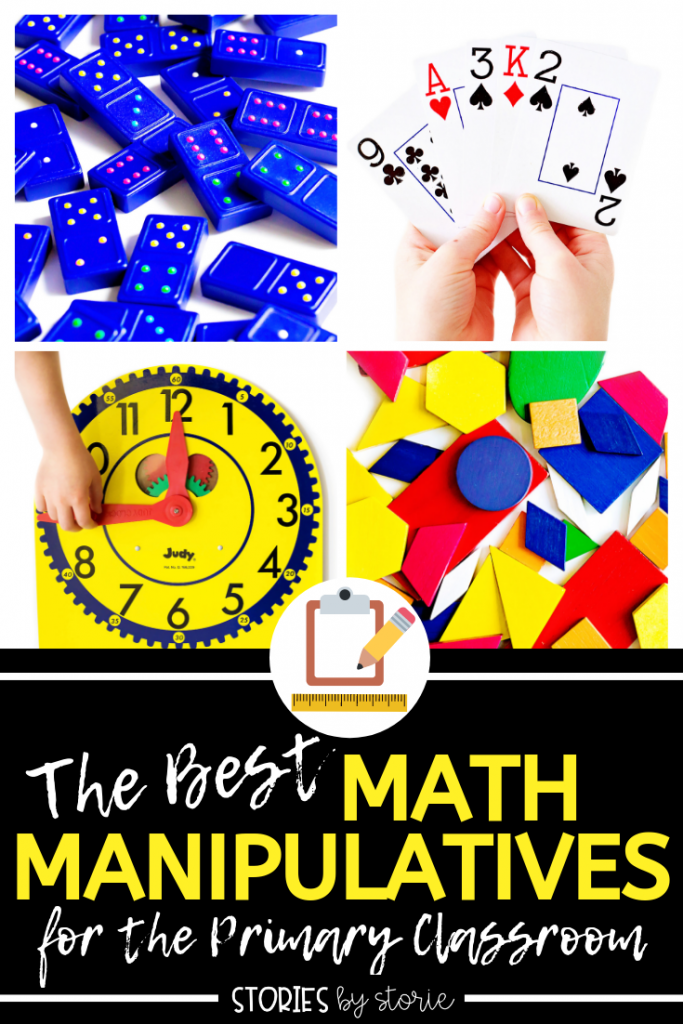
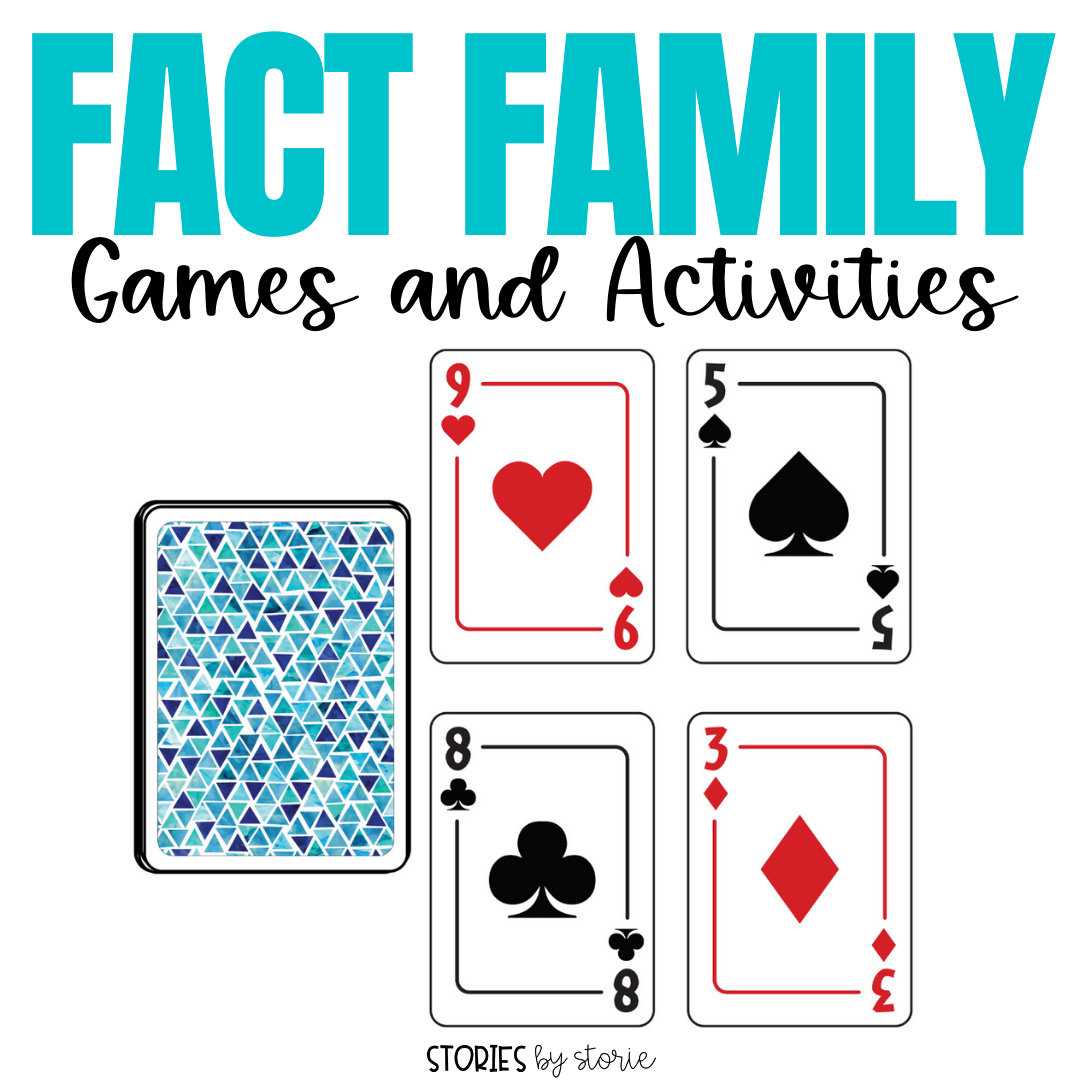
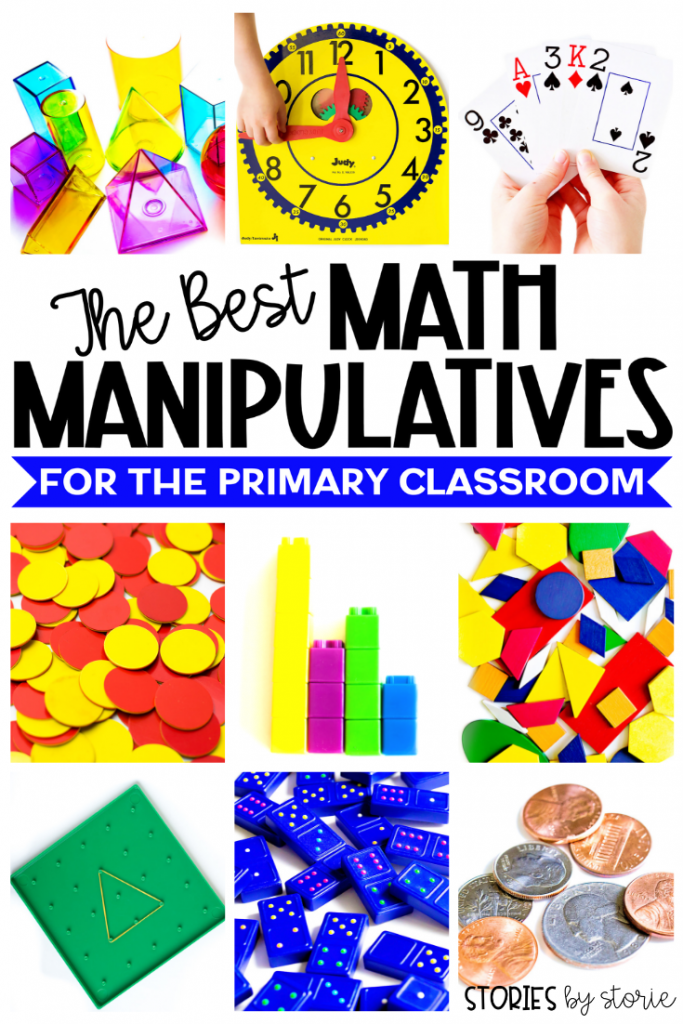
Math manipulatives keep students engaged and provide hands-on opportunities to make learning more concrete. Here are my favorite math manipulatives for the primary classroom along with a few tips to help you manage these materials.
we are a participant in the amazon services llc associates program, an affiliate advertising program designed to provide a means for us to earn fees by linking to amazon.com and affiliated sites.
Math Manipulatives for the Primary Classroom
DICE
Dice can be used to play math games, practice math facts, and to work on probability. I love having a variety of colors on hand. My students loved playing these dice games independently and with a partner.
Teacher Tip: If you don’t like the sound of dice, you can lay down a small piece of felt. Tell students that their dice must land on the felt or they lose their turn. You can also invest in foam dice.
PLAYING CARDS
I was very fortunate that our math program had playing cards. However, we also had some decks of cards that were donated to the classroom. We used playing cards for games that helped develop math fact fluency and place value.
Teacher Tip: to keep cards together, place the deck in a travel size soap container. These will last longer than a rubberband.
DOMINOES
When I first moved to the primary grades, I was given six sets of dominoes. I wanted to put them to use, so I created several domino activities to help my students with various math concepts (addition, subtraction, number comparisons, etc.)
Teacher Tip: You can use double-six dominoes for younger students and move towards double-nine dominoes when you’re ready to work on larger numbers.
BASE-10 BLOCKS
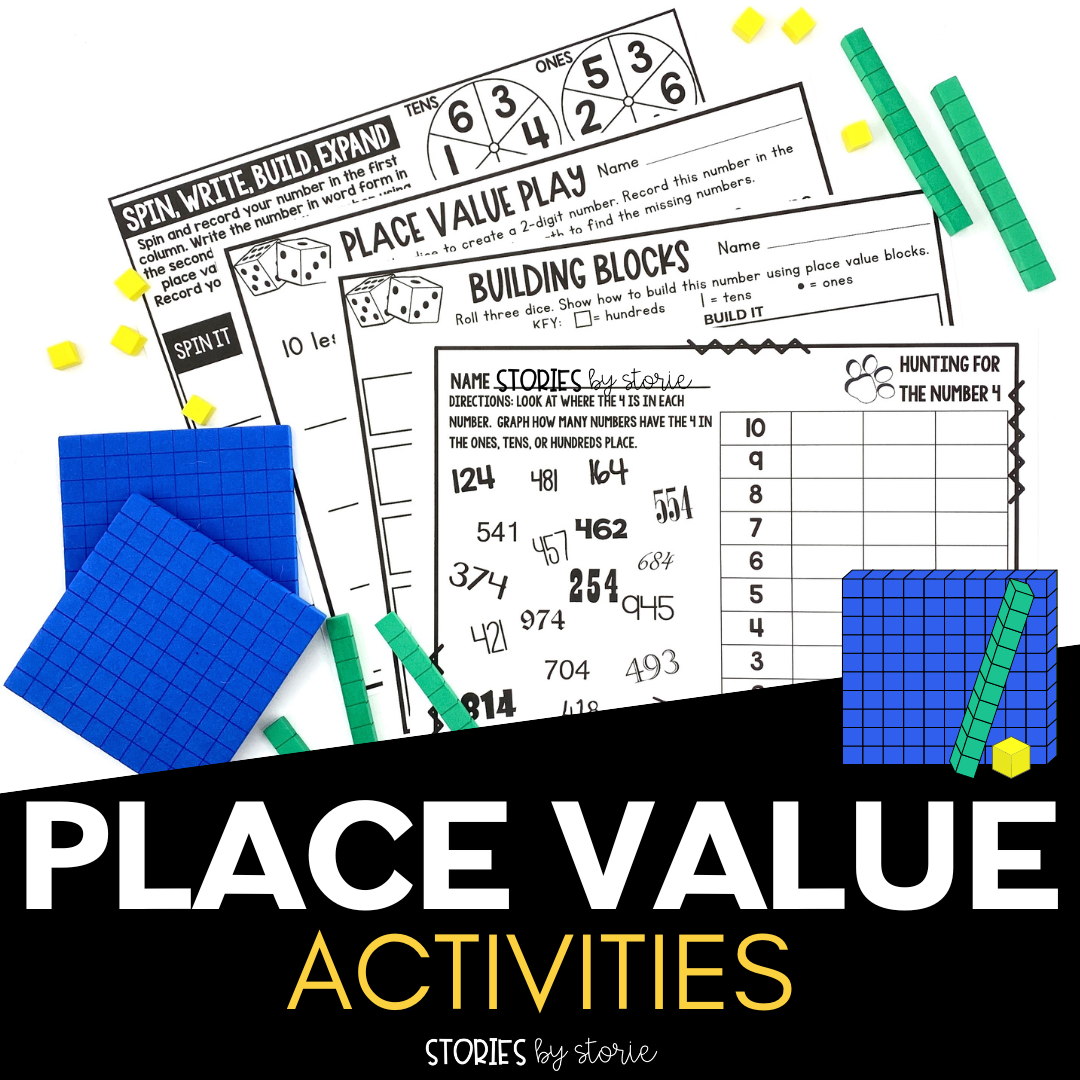
I loved having base-10 blocks on hand for teaching place value as well as addition and subtraction with regrouping.
Teacher Tip: If you are looking for a quieter option, you can find foam sets.
UNIFIX CUBES
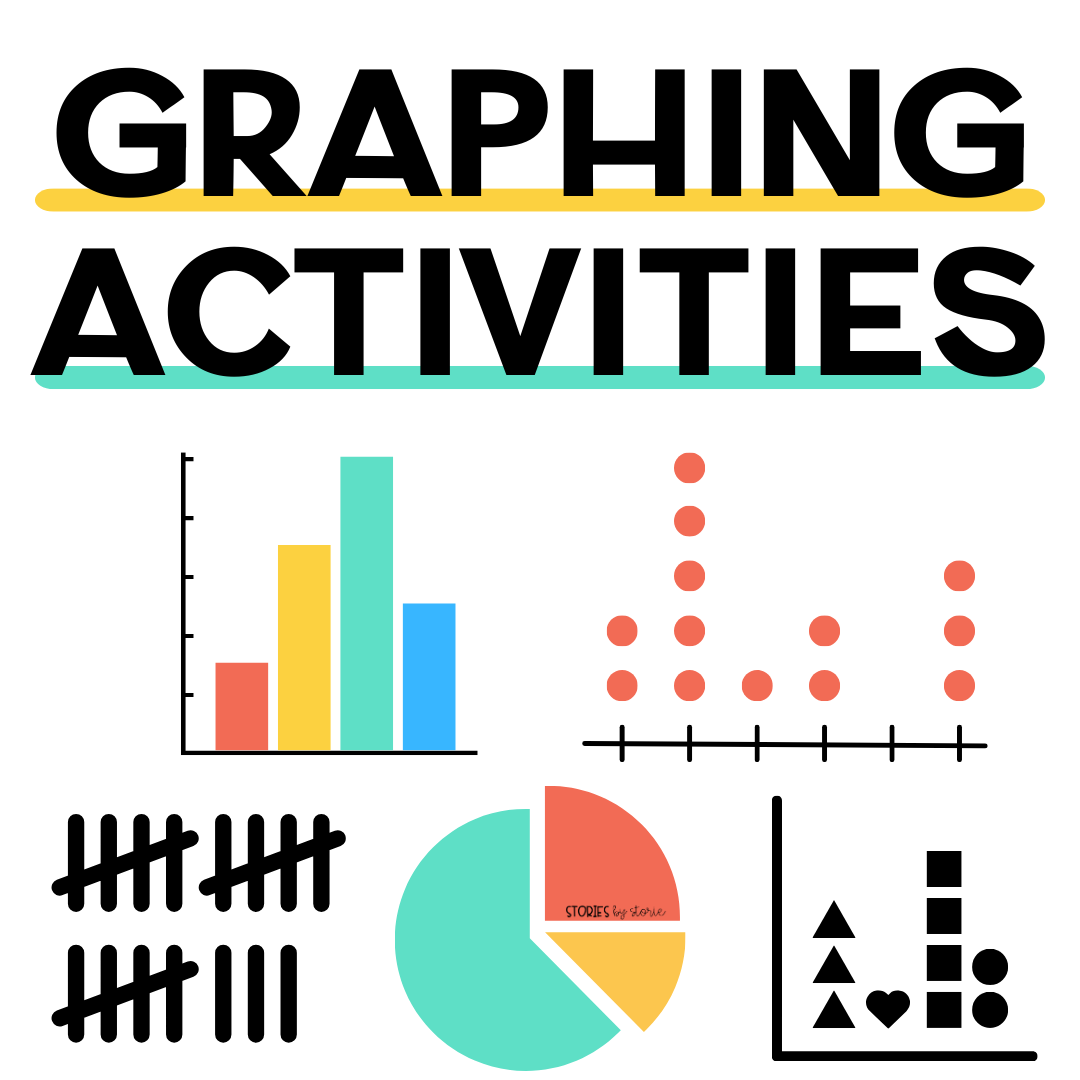
Unifix cubes can be used in a variety of ways. Not only can they be used to build numbers, but they are a handy tool for students learning to add and subtract. I have also used these cubes for patterns, graphing, and to work with ten-frames.
COUNTERS
I loved using the red and yellow counters for probability and to work with ten-frames. Transparent counters also make great game markers – especially on Bingo boards!
PATTERN BLOCKS
Pattern blocks are great for building spatial sense. Not only can students use pattern blocks to create larger shapes, but they are a great tool for introducing fractions. I have also used them when teaching symmetry.
GEOMETRIC SOLIDS
These were the perfect manipulative to reach for when working with 3-D shapes. My students could physically touch the shapes to determine the number of faces, edges, and vertices. If you are working on capacity, these shapes can be filled with water to help compare amounts, too. My students also loved having them around as a reference tool while playing geometry games.
GEOBOARDS AND RUBBER BANDS
I love using Geoboards when working on area and perimeter of shapes. These boards allow students to explore these concepts in a way that paper and pencil simply can’t.
Teacher Tip: Always show your students to hold the rubber band in place on one peg before moving another part of the rubber band.
CLOCKS
While many schools and classrooms are going digital, students are still expected to read an analog clock. I loved using my Judy Clock to teach time with my whole class and small groups. You can also find smaller Judy Clocks for students so they can help manipulate the hands of the clock. These are a great tool to use when exploring elapsed time, too.Because they are small, students can carry them around the room while working on different telling time activities.
Teacher Tip: You can also make paper clocks. Just be sure to use thick, cardstock paper. You can even laminate them so they will last longer.
COINS
When it comes to teaching coins, I actually prefer the real thing. Plastic coin sets look similar, but kids really do need to see the real coins from time to time. Especially when you consider that most families are using debit and credit cards more frequently than cash.
RULERS
Rulers got a lot of use during our measurement unit and our geometry unit. I prefer rulers that are transparent and include both inches and centimeters. To get my students up and moving during our unit, I used a lot of the activities from this Monster Measurement Pack.
BALANCE SCALE
When students needed to weigh objects or compare weights, I loved using a balance scale. A balance scale can be used with math manipulatives you have on hand as well as water. Kids love to explore with this tool.
Other Favorite Math Tools
DRY ERASE MARKERS & SHEET PROTECTORS
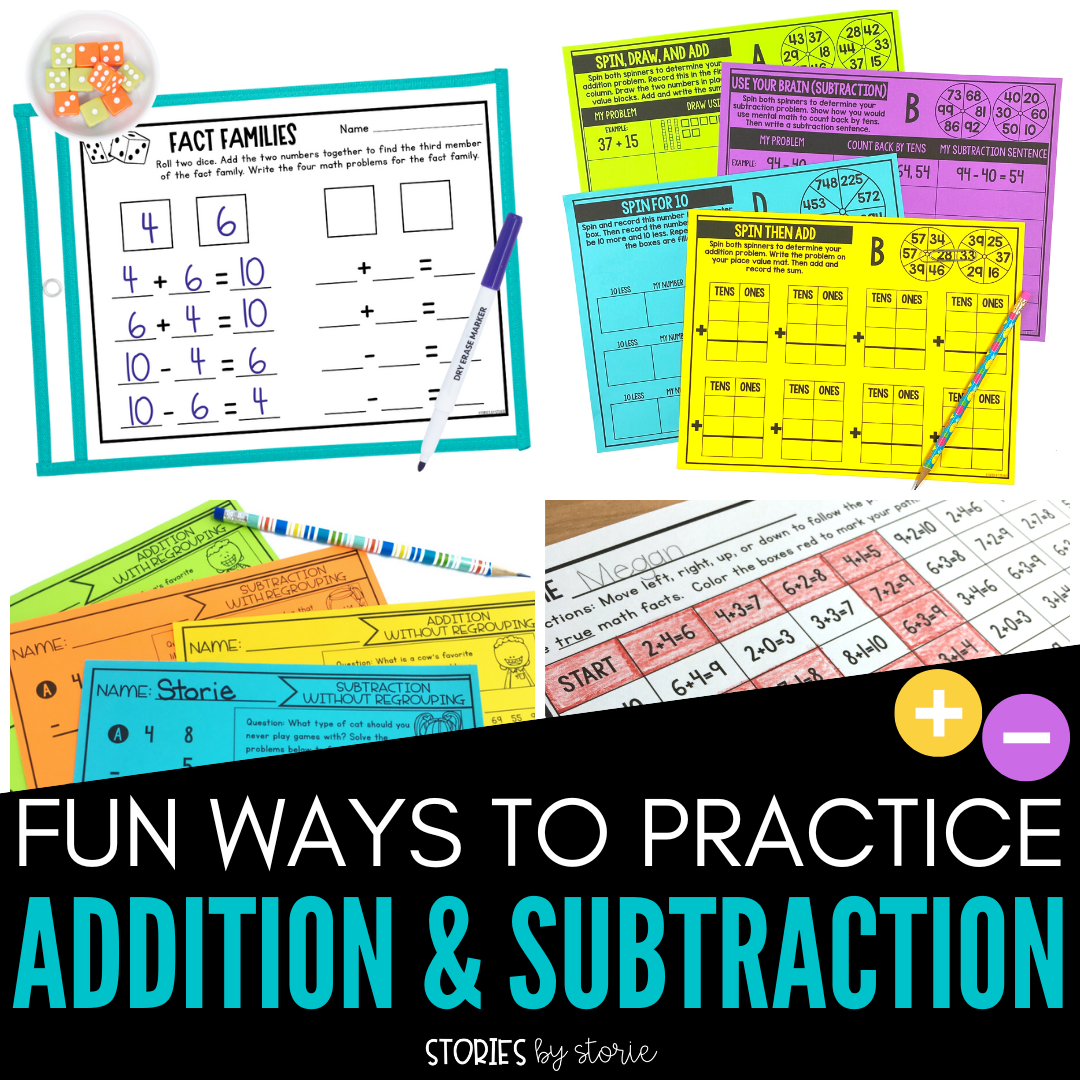
I don’t know about your school, but supply budgets seem to get smaller and smaller each year. I was always looking for ways to keep my copy numbers low, so I started investing in sheet protectors. By placing pages inside, games and activities could be used more than one time – sometimes with different results! You can read about even more ways to use sheet protectors in the classroom here.
CLIPBOARDS
Long before flexible seating was a thing, I had a classroom set of clipboards. My students used these to work around the classroom throughout the day in math and other subjects, too.
TICKETS
Raffle tickets can be used for place value, addition and subtraction, reading large numbers, and more. They can also be used as a classroom management tool. You can read more about how I used them in my classroom here.
BOOKS
Just because it’s math time doesn’t mean you can’t incorporate children’s literature. Books have a magical way of bringing more abstract concepts to life in new ways. You can find a complete list of my favorite books by topic here.
Managing Math Manipulatives in the Primary Classroom
I have heard many teachers over the years say they don’t like using manipulatives because their students just can’t handle them. Here are a few tips that have helped me.
TOOLS, NOT TOYS
This is one of those phrases that I taught my students from day one. Math manipulatives and supplies are tools, not toys. That means they are in students hands for a reason. If a student brought a toy from home and was playing with it during class, you would most likely hold on to that toy until the end of the day and then send it home. When my students used their math tools as toys, they simply lost the privilege of using those tools until we could practice the proper use again.
BUILD IN EXPLORATION TIME
When I knew we were using math manipulatives during the lesson, I always built in exploration time at the beginning of the lesson. By providing this time at the beginning, students can get the play time out of their system so they can focus during the lesson. I also had days where students could earn extra exploration time if all the students were using the math manipulatives correctly during the lesson. They LOVED this!
EXPLICITLY TEACH HOW TO USE MANIPULATIVES
Never assume that your students know how you want them to do something. This goes for math manipulatives, too. You need to show them exactly how you expect them to engage with the materials. Set your expectations high for what is, and what is not allowed. Then make sure you take the time to review these expectations as needed.
You can find links to all of my favorite math manipulatives for the primary classroom on my Amazon Page.






 and to work with ten-frames.
 I loved using the red and yellow counters for probability and to work with ten-frames. Transparent counters also make great game markers – especially on Bingo boards!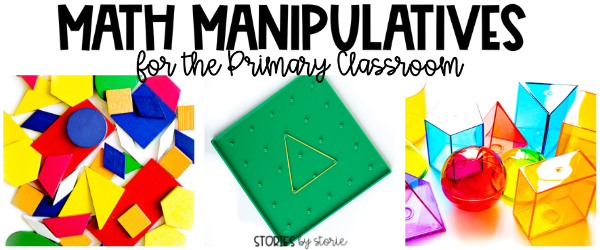
 Pattern blocks are great for building spatial sense. Not only can students use pattern blocks to create larger shapes, but they are a great tool for introducing fractions. I have also used them when teaching symmetry.

 My students also loved having them around as a reference tool while playing geometry games.

 Because they are small, students can carry them around the room while working on different telling time activities.
 Kids love to explore with this tool.
 I have heard many teachers over the years say they don’t like using manipulatives because their students just can’t handle them. Here are a few tips that have helped me.