




If you’re teaching second grade, chances are you are building a foundation for multiplication by teaching students to build arrays, use repeated addition, and make equal groups. If you are in a Common Core state like I am, second graders work with arrays up to 5×5 in size. Here are some hands-on activities, games, and worksheets to help your students work with arrays and repeated addition.


Arrays Activities
These low prep activities are designed for second graders, but could easily be adapted for first and third graders.
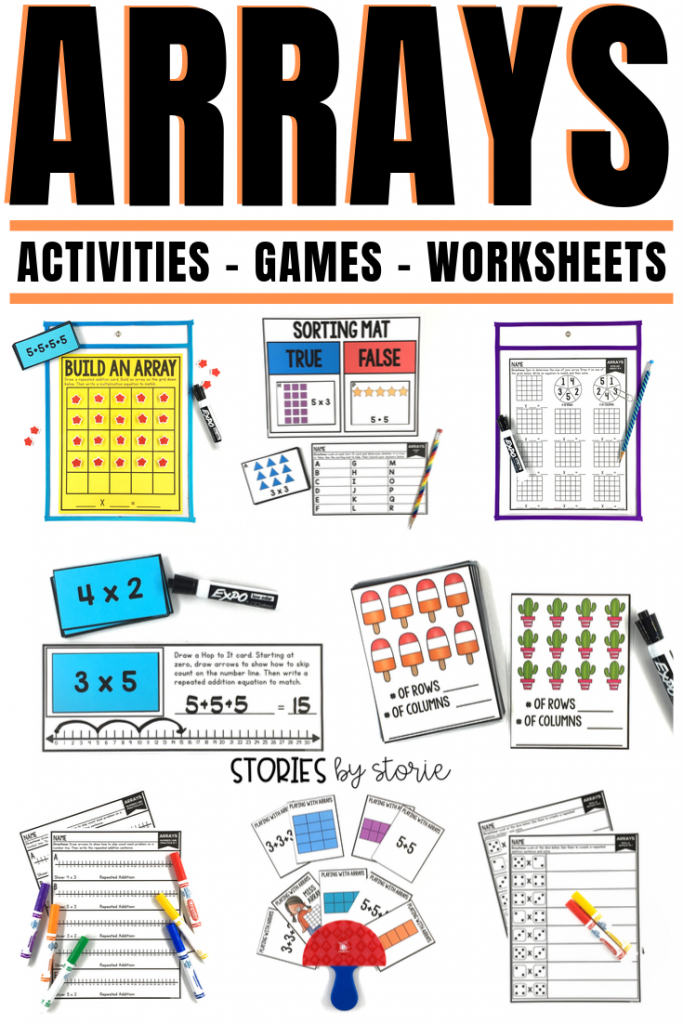
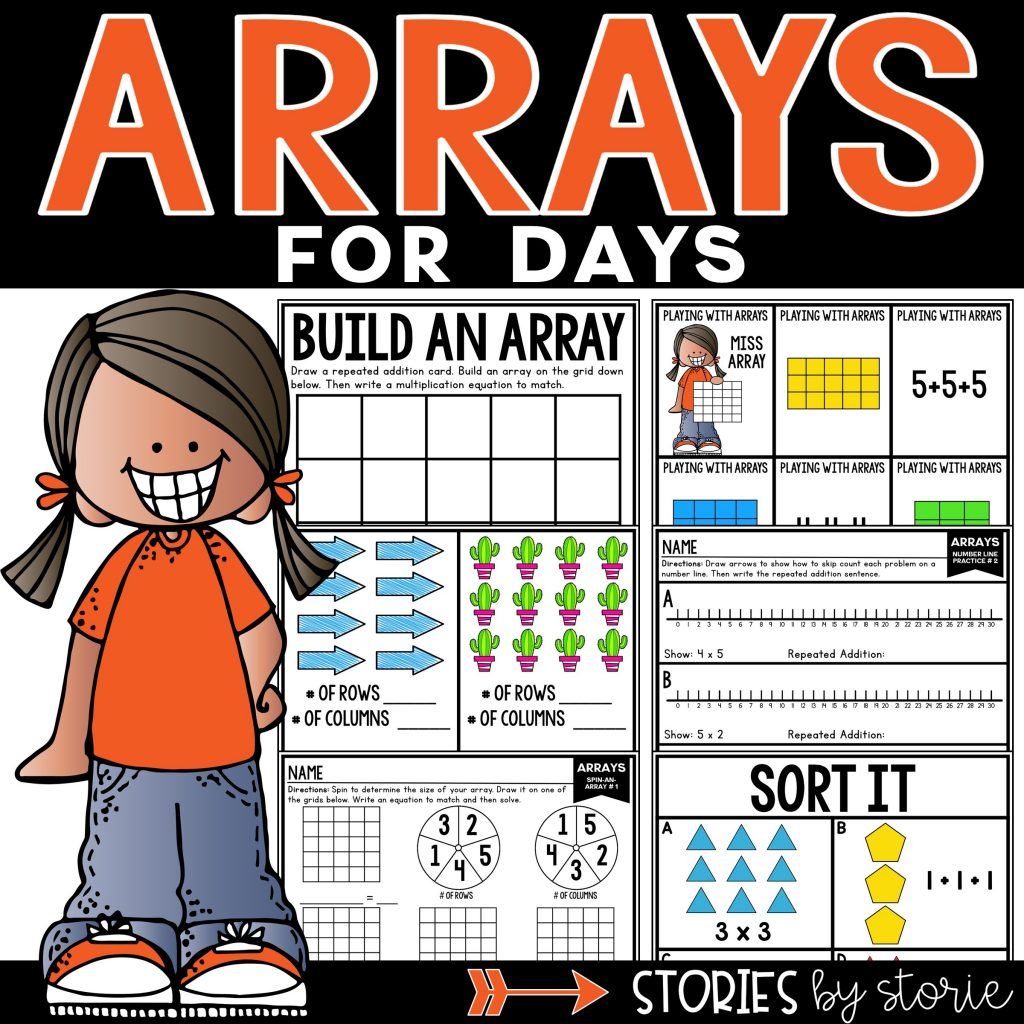
Label the Arrays
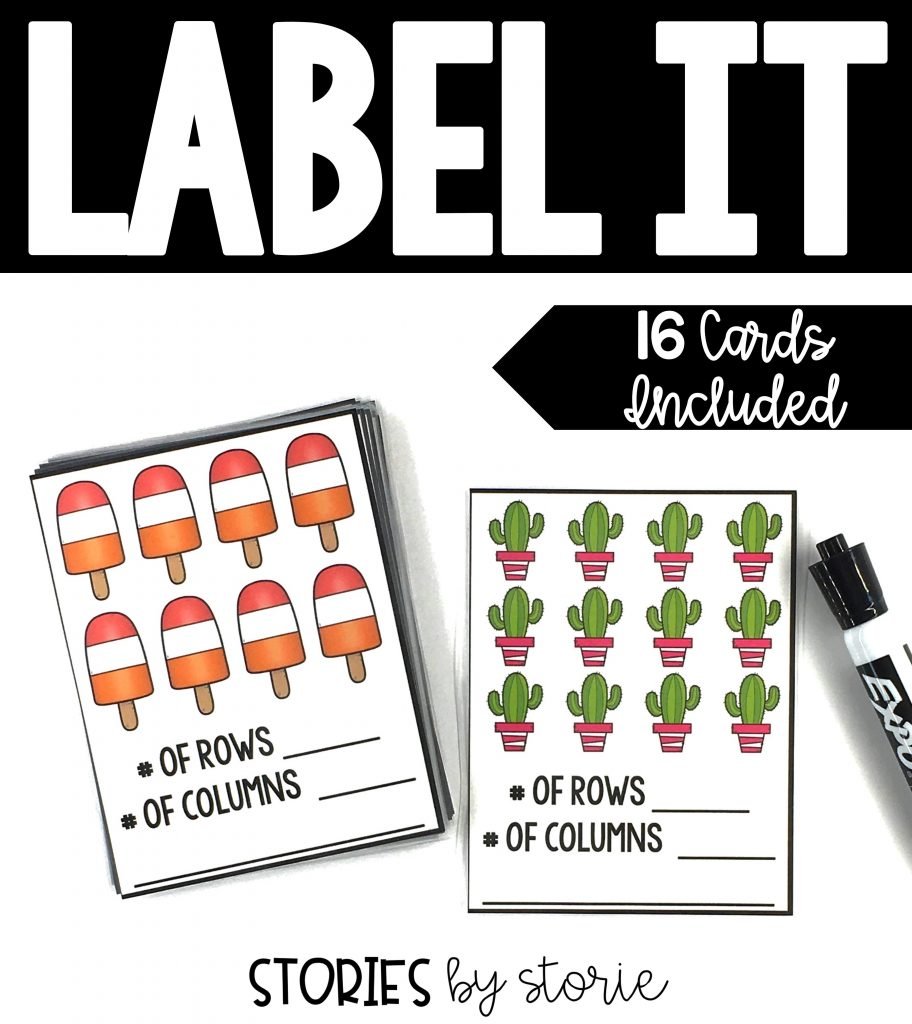
One of the first things you should teach students is the difference between rows and columns. Once students have a firm grasp on this, they can practice labeling different arrays with these 16 cards. I suggest you laminate them and use with a dry erase marker.
Arrays Sorting Activity
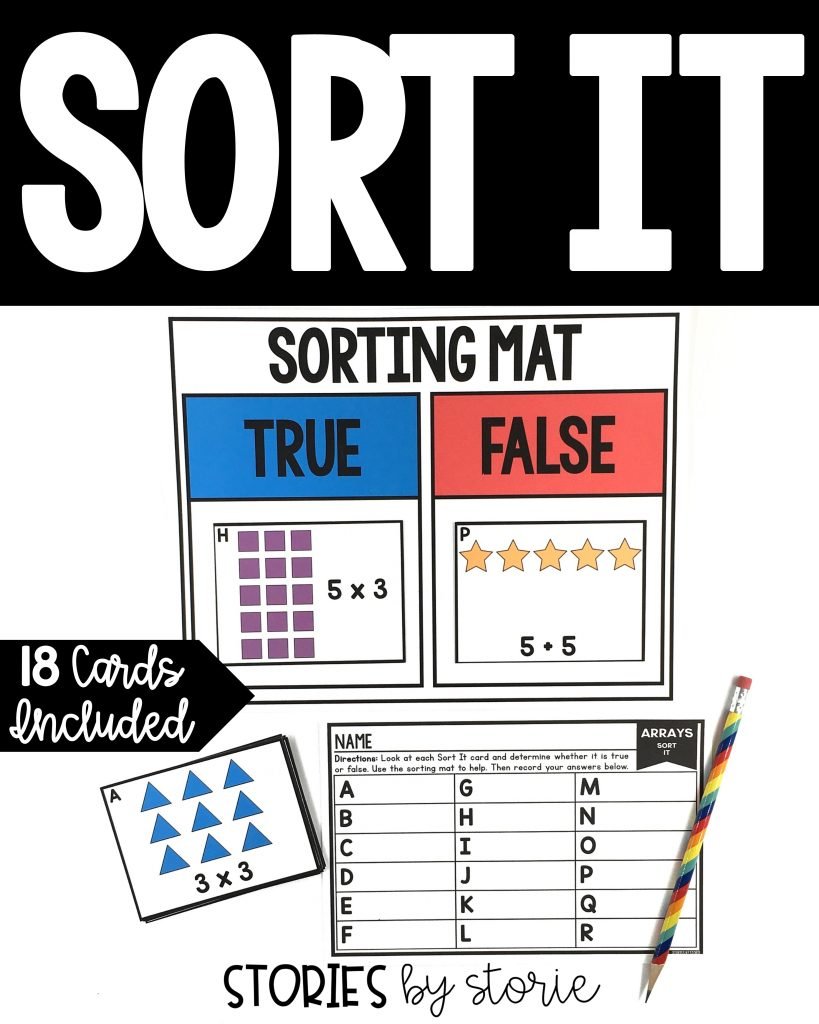
Another way to practice arrays is with a true or false sort. This activity has 18 cards with arrays and equations. Students must determine if the array matches the equation (true) or whether the two do not match (false). There is a recording sheet to check for understanding.
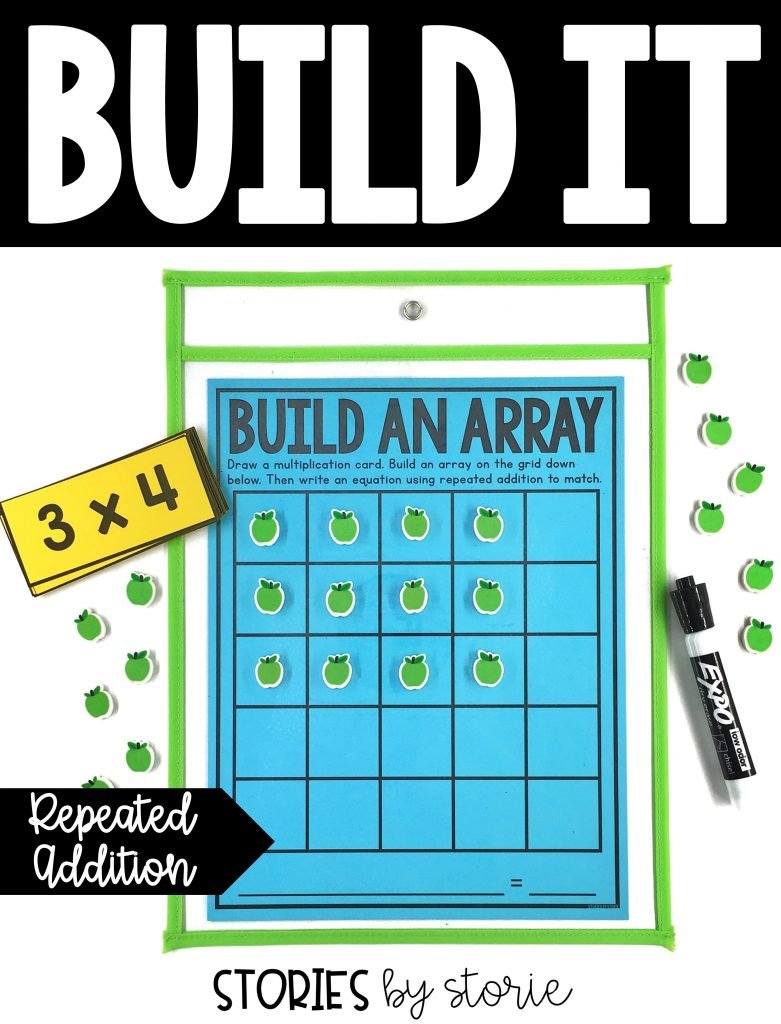
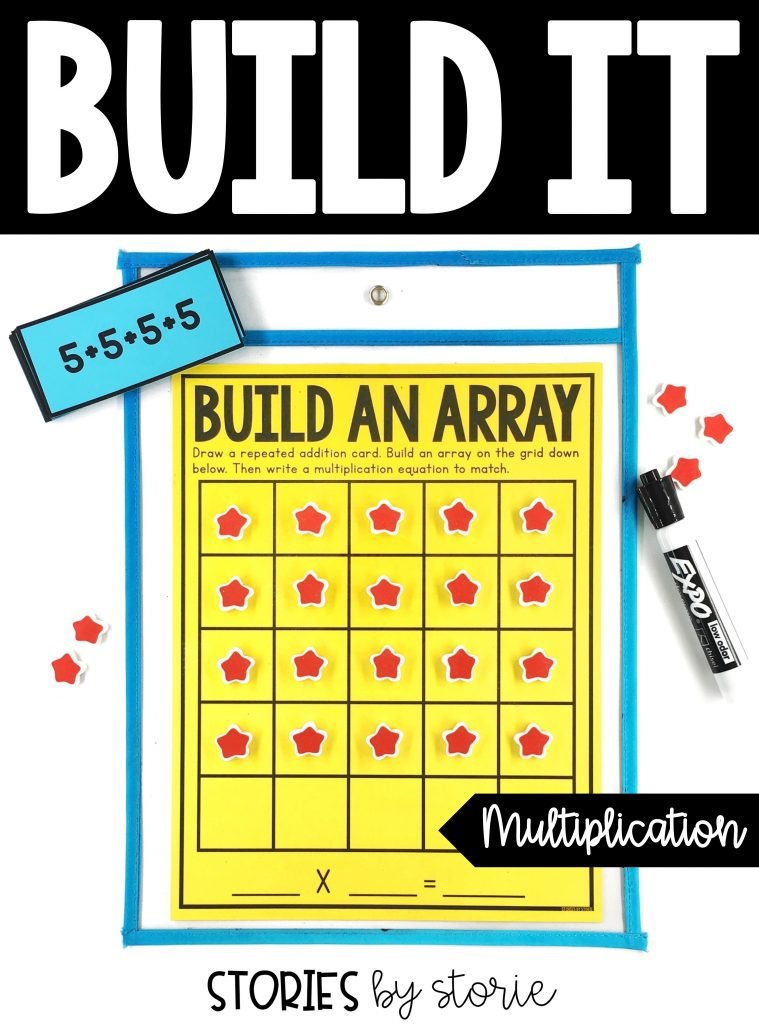
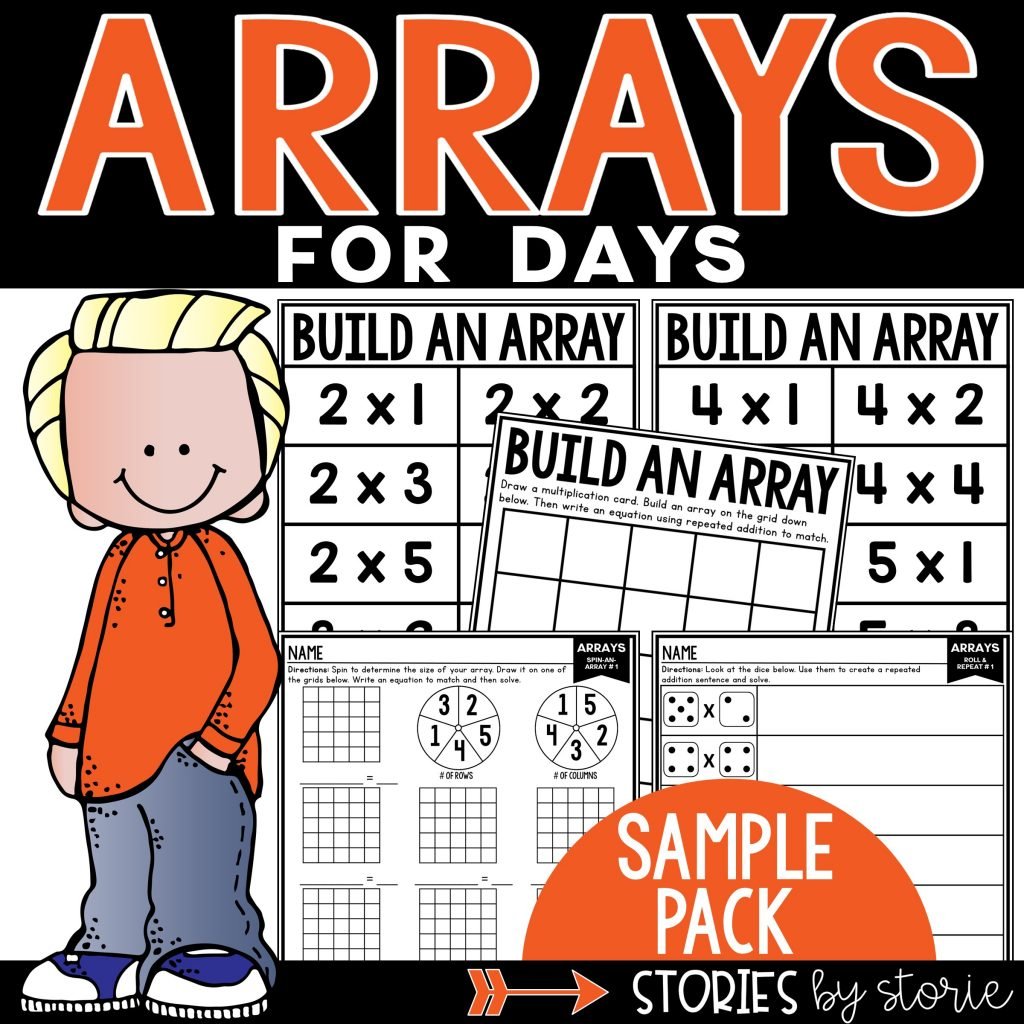
Build an Array
To provide hands-on practice, students can build arrays using these mats. There are two different versions where students record their array as a repeated addition equation or a multiplication equation. Place the mats inside a dry erase sleeve or a sheet protector. Students can build the array using mini erasers, math manipulatives (cubes, counters, etc.), or other small objects and write the equation using a dry erase marker.
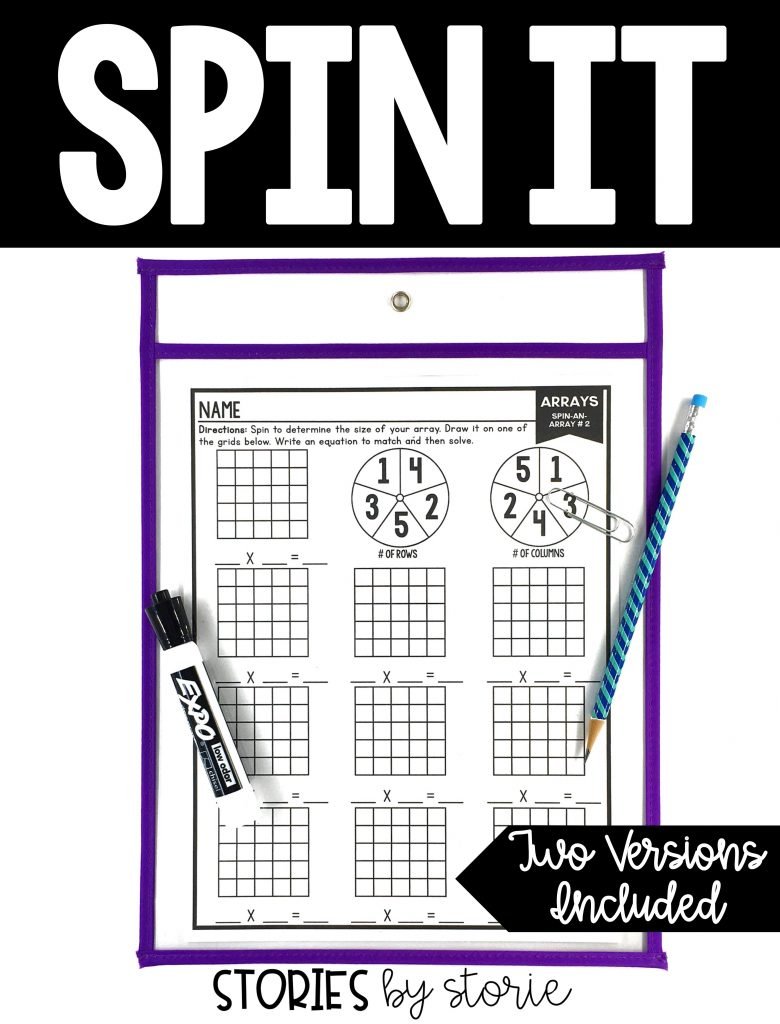
Spin an Array
Another great way to build arrays is to add a fun element like spinners and dice. While these pages can be used as practice pages, they can also be placed in a dry erase sleeve. Students can complete the activity multiple times with different results. The spinner activity builds arrays up to 5×5 in size.
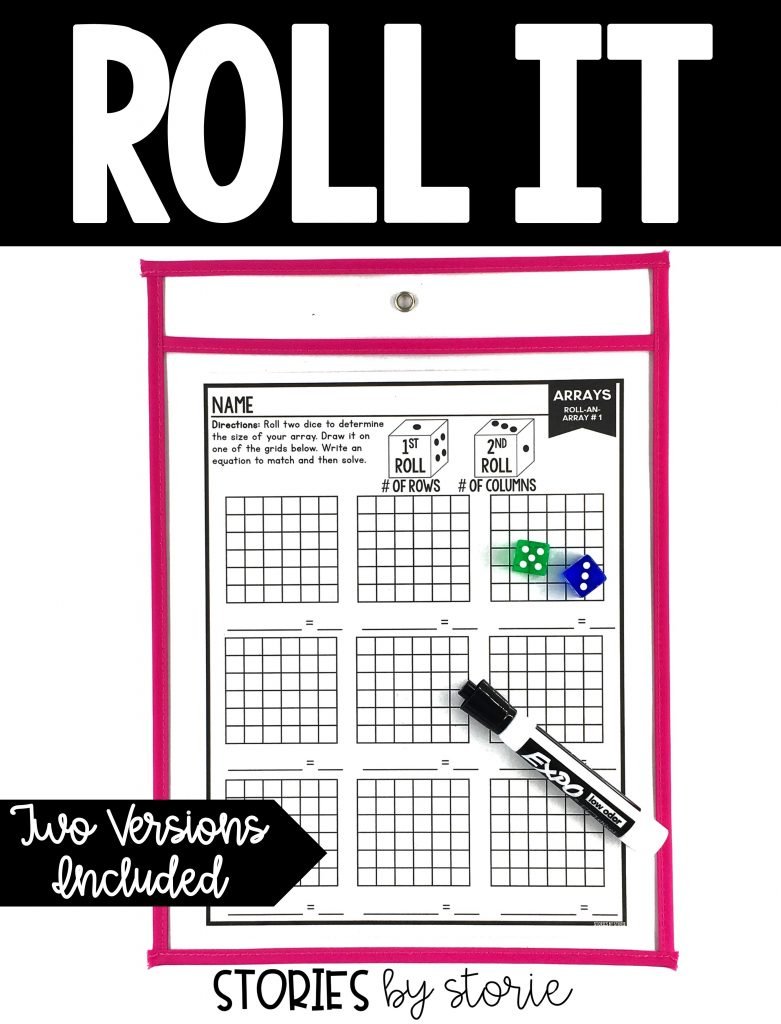
Roll an Array
This activity is similar to the spinner activity above. When rolling dice, students may build arrays up to 6×6 in size.
Working with a Number Line
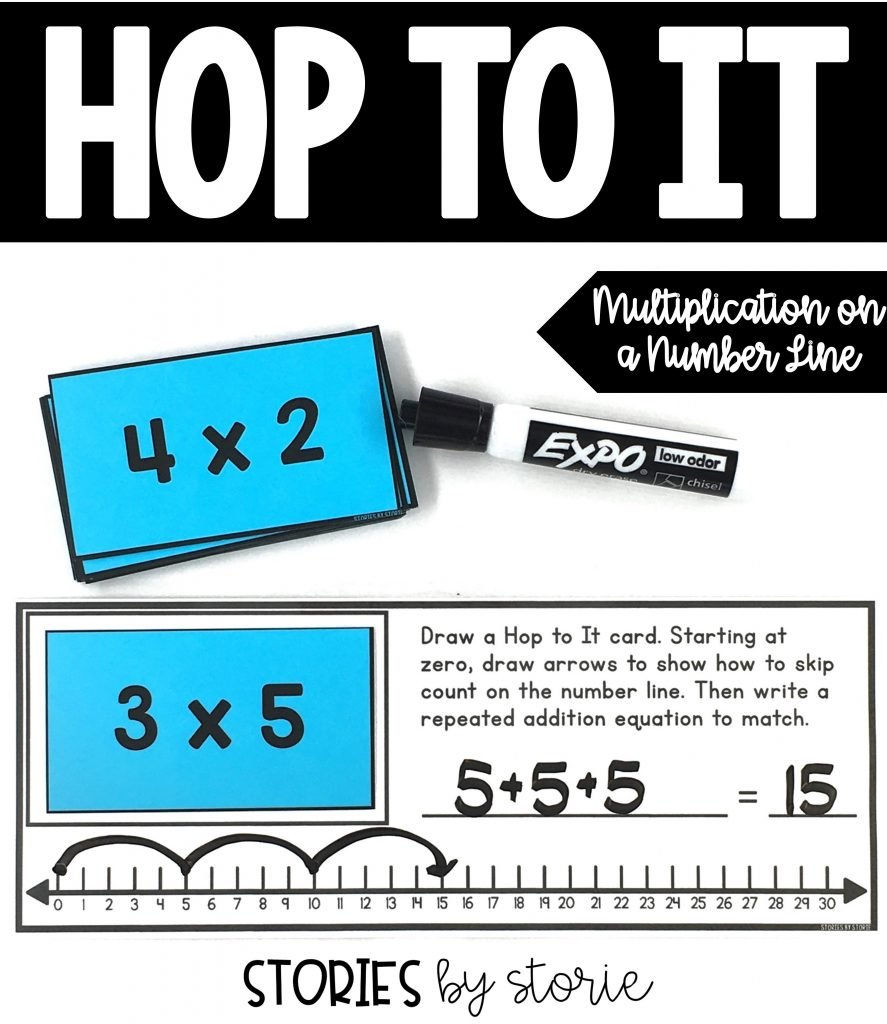
Because repeated addition and multiplication are so closely related, one skill students need to practice is showing these equations on a number line. Students draw a multiplication equation and then show how to skip count on the number line. I suggest you laminate the Hop to It boards and have students show their work using a dry erase marker.
Arrays Games
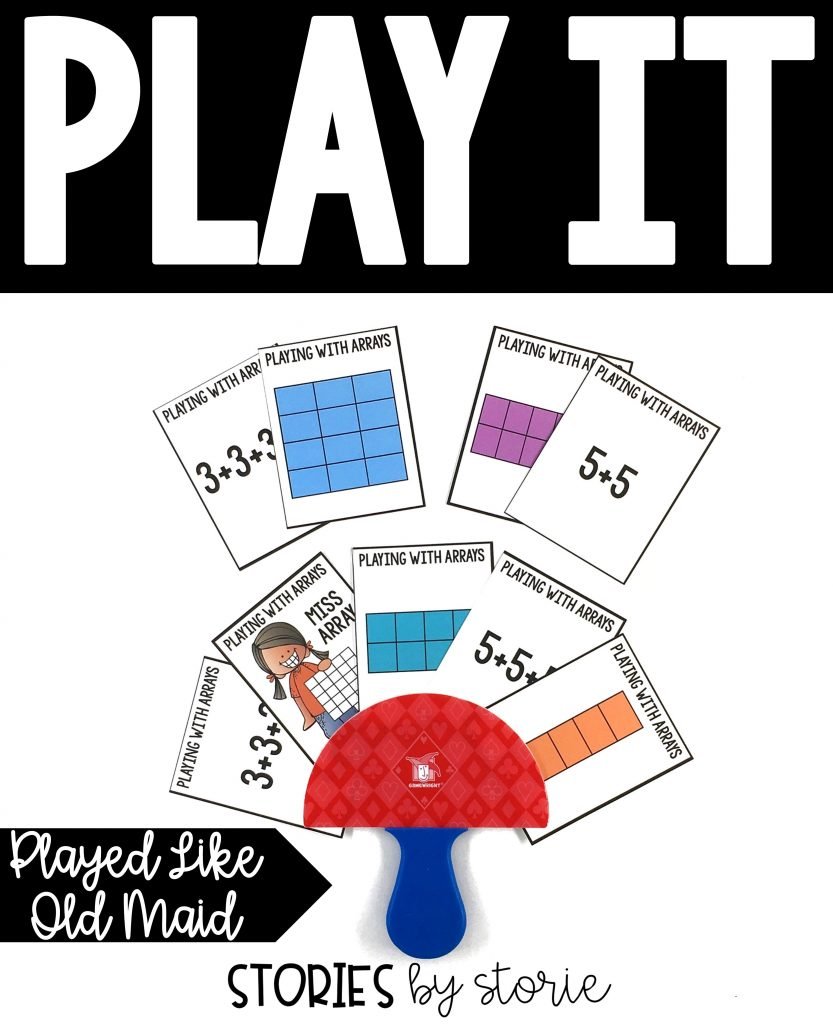
If you’ve been around this blog for awhile, you know how much I love to incorporate math games into the classroom. This resource has two different games to play. Playing with Arrays is like Old Maid. Students match a repeated addition equation with an array card. The player left holding the Miss Array card at the end loses the game.
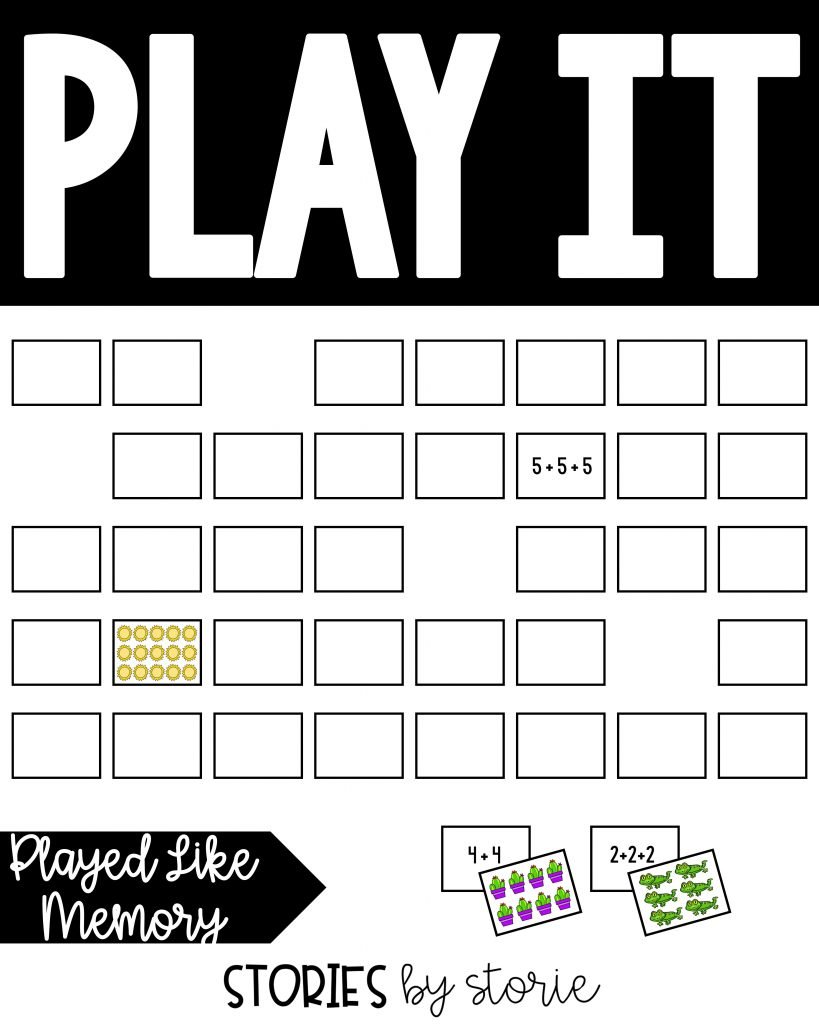
I have also included a set of 40 cards to play a memory matching game.
Arrays Worksheets
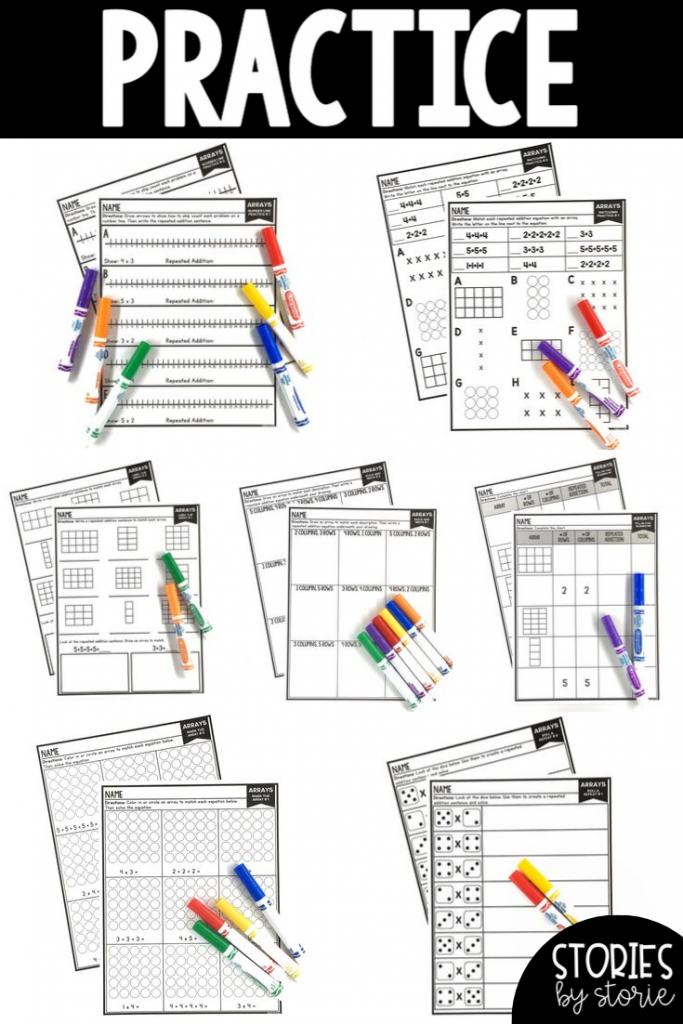
And finally, we all know students need to work with arrays in different ways. These practice pages are a great way to check for understanding as they reinforce the skills students have worked on with the activities mentioned above. There are seven different worksheets, with two versions of each, for a total of 14 practice pages. Use these for pre/post assessments, morning work, homework, or small group practice. Answer keys are included for each page.
You may find these tools helpful when using this resource.
- 6-sided Dice
- Two-Color Counters (red/yellow)
- Dry-Erase Pockets
- Dry-Erase Markers
- Heavy-Weight Sheet Protectors (great for binders)
- Card Holders for Little Hands
we are a participant in the amazon services llc associates program, an affiliate advertising program designed to provide a means for us to earn fees by linking to amazon.com and affiliated sites.
You can find all of the activities for Arrays in this math pack.
Want to know if these activities are a good fit for your students? Try a free sample!
Happy Teaching!