






Have you thought about using novels with small groups, but aren’t sure where to start? It is definitely possible to do so in the primary grades! Here’s how I got started using chapter books with my second graders during my small group time.
WHY USE NOVELS WITH SMALL GROUPS?
My very first year of teaching, I was in a fourth grade classroom. I had very little materials to use other than the curriculum that was provided. Like most first year teachers, I was just trying to keep my head above water. After a few weeks of using the provided basal readers, I realized that student needs were not being met and something had to change. I reached out to our helping teacher as well as a few colleagues, and they suggested I try using novel studies.
I found that novel studies gave me access to more titles at a particular instructional level, they were easy to differentiate, student interest greatly increased, and I was able to use novels as an extension of our science and social studies units. The time spent with my small groups allowed us to focus on comprehension of a text over a longer period of time, dive deeper into character development and more complex plots, work on vocabulary strategies, and have richer conversations about books.
By my third year of teaching, my district adopted a brand new reading curriculum. This time, everything was novel-based. While many teachers in the district weren’t ready for change, for once I was ecstatic to have some new materials ready to go. After teaching fourth and fifth grade, I was ready to move down to teaching in the primary grades. And yes, I continued to use novel studies there with some of my reading groups. Let me share a little more about how I got started using novels with my small groups.
USING ASSESSMENT DATA TO FORM AND CHANGE GROUPS
Before I put my students into small groups, I needed data. When teaching second grade, our reading assessment data came from our DRA testing kit along with our district adopted reading curriculum. Testing was never my favorite, but I did love that it gave me a snapshot of my students as readers. My small groups were ability based, but there was flexibility within those groups as students grew as readers. I also used informal observations and knowledge about students to help form groups.
Our district required us to assess and report our reading data three times during the year. However, my groups were often changing more quickly than that. I kept track of all of my reading levels on a spreadsheet (you can read about that here).
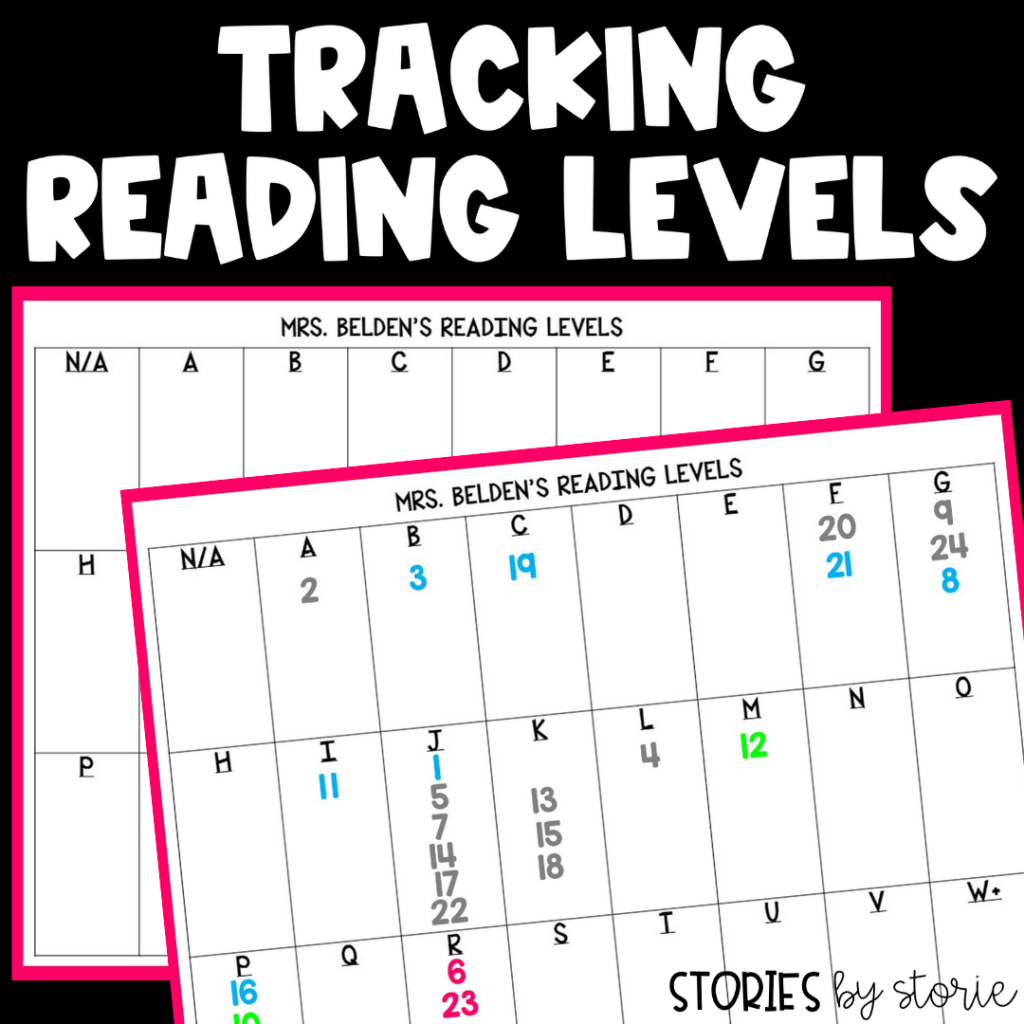
In my district, a second grade reading level was anywhere from level J (end of first grade) to M (end of second grade). However, I had second graders reading anywhere from levels A to W+ (our reading kit stopped assessing at level W). Using the assessment data helped me to form my groups. And since I was testing throughout the year, my groups were able to change with that growth.
I believe it’s also important for me to mention that not all of my students were reading novels. Depending on the group of students, I would generally have students start reading novels in group when they reached a level L or M. Occasionally, our reading series had beginning chapter books at level K, too. Even if my students were reading novels in small group, they also had opportunities to read nonfiction text, reading passages, and picture books during our group time.
CHOOSING NOVELS FOR YOUR SMALL GROUPS
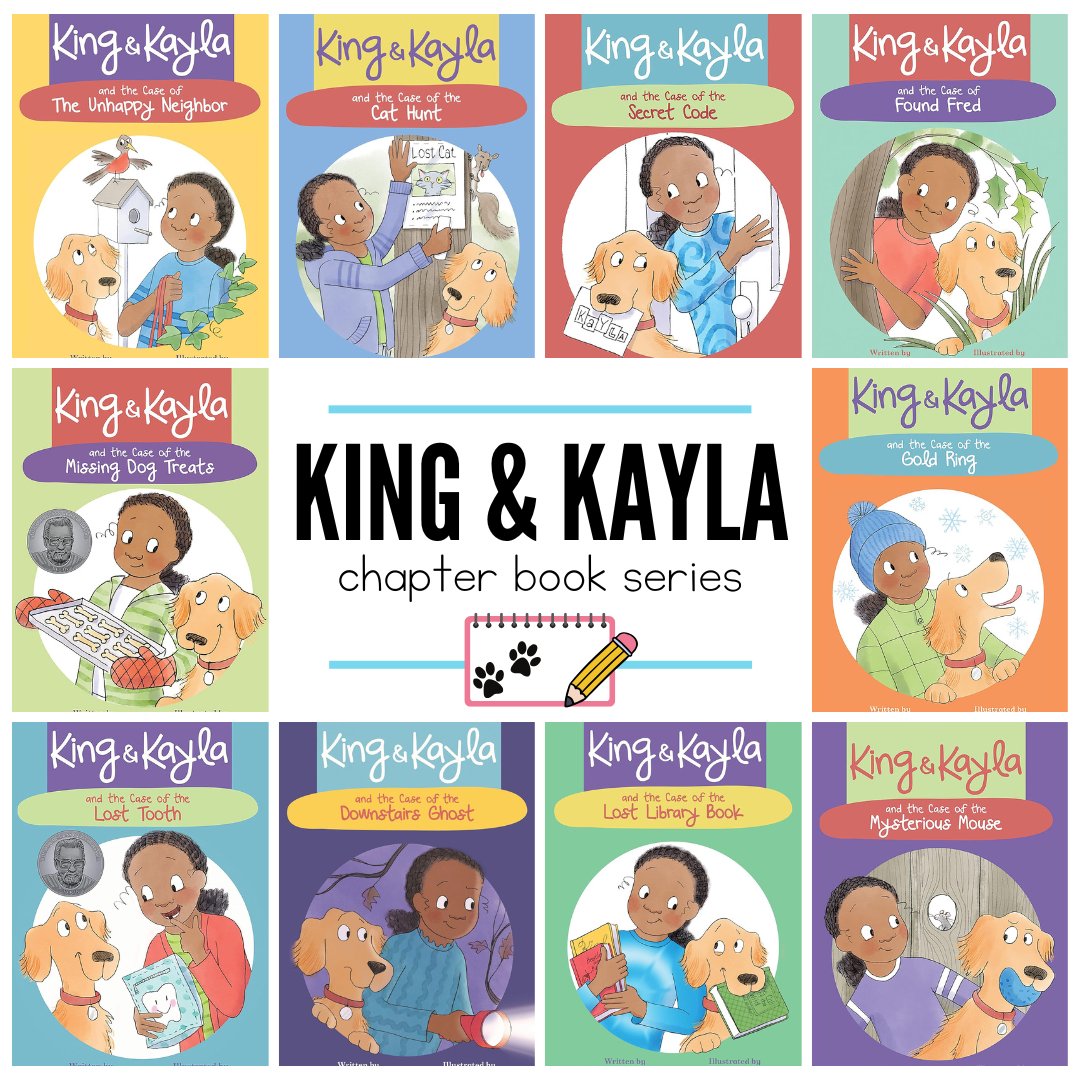
Once I had the data and my groups were formed, I was ready to select novels. At the beginning of the year, I chose the novels that I knew would be best to help teach students my expectations AND teach the standards. Because I started using novels with my second graders around levels L or M, here are some chapter books I would recommend at those levels:
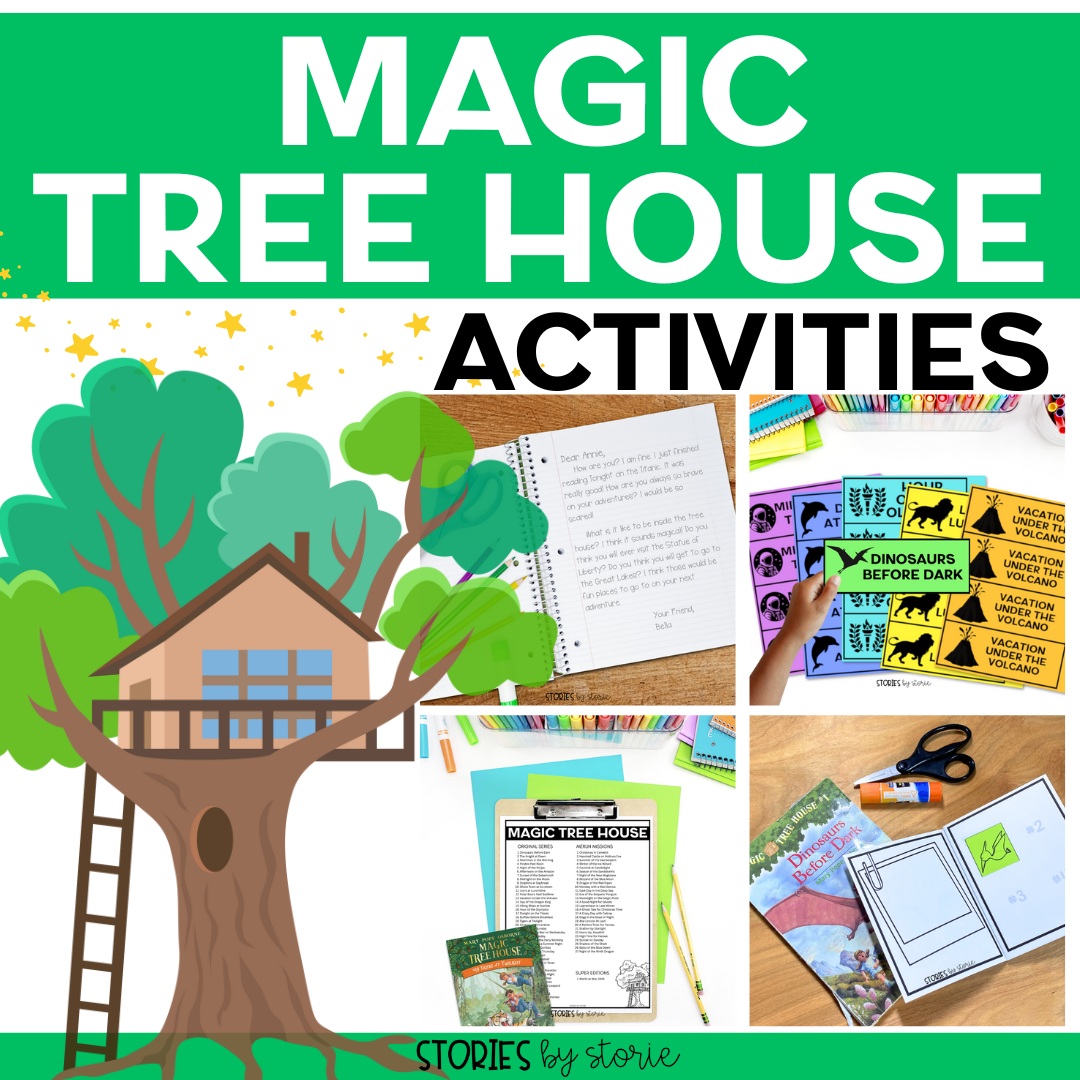
- Magic Tree House
- Nate the Great
- Mercy Watson
- Horrible Harry
- Black Lagoon
- Ready, Freddy!
- Cam Jansen
- Flat Stanley
After things were running smoothly, we branched out to a variety of chapter books. There were 10 things I considered when choosing books for my reading groups. You can read more about those here.

SETTING EXPECTATIONS FOR WORK QUALITY
Since I couldn’t start small groups until after I had finished my assessments, I laid the groundwork during my read aloud and shared reading time. During the first few weeks of school, I read a lot of picture books to my students. I read some books simply for enjoyment. I shared other books to work on character education and to establish classroom community. These books were also used to help teach my work expectations for small groups.
Many of my chapter book companions have a large focus on comprehension questions. One of the first things I worked on with my students was learning to restate the question in the answer.
We started by doing this in conversation using a gradual release of responsibility:
I do, you watch
I do, you help
You do, I help
You do, I watch
I started with a list of very basic questions on chart paper and chose a student to ask a question. It sounded something like this:
Student: What is your favorite color?
Teacher: My favorite color is blue.
Student: How many pets do you have?
Teacher: I have two pet dogs.
After students successfully answered those, we moved on to more complex questions:
Student: What do you do when you get home from school?
Teacher: When I get home from school, I change my clothes, play with my dogs, and get ready for dinner.
Student: Where would you like to travel to and why?
Teacher: I would like to travel to Australia because I would love to explore a country that is on the other side of the world.
In addition to answering comprehension questions, we also worked on character traits, story elements, basic retell, summarizing the story, making predictions, and more. When students could talk about these things, they were ready to write about them. Again, this took a lot of practice, which is why I started modeling and practicing these skills during those first few weeks of school before we started small groups. This was just one of the many reasons I loved reading picture books at the beginning of the school year!
A SAMPLE READING SCHEDULE
Here’s an example of what my reading block looked like in the middle of the year. It’s important to note that I also did a read aloud outside of this time block.
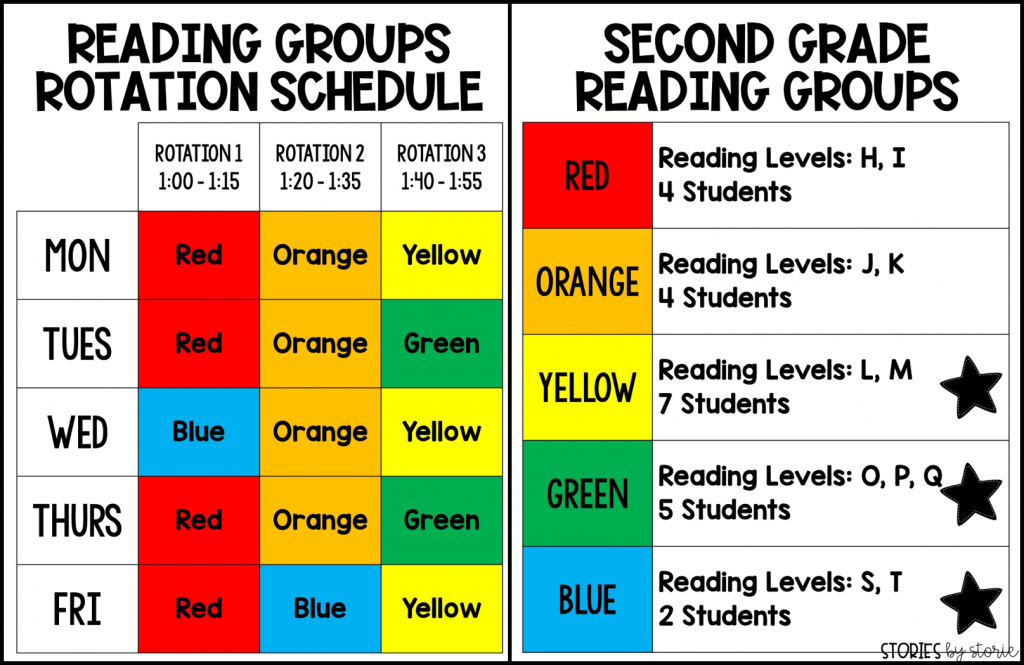
At this point in the year, I had three groups reading novels. The other groups worked on phonics skills, decoding strategies, and reading texts at their instructional level. For my groups who were reading novels, our time at the table varied. Sometimes we read a chapter together, sometimes we worked on a page from their book companion, and other times we worked on vocabulary strategies.
While this is what I had planned each week, I also allowed some flexibility. This schedule shows that I only met with each group for 15 min/day. However, there’s an extra 5 min between groups because I usually kept my kids at the table for a full 20 minutes.
WHAT ARE THE OTHER KIDS DOING?
In order to have successful reading rotations, I relied heavily on a modified Daily 5 routine. My students could Read to Self, Read with Someone, or Work on Writing. In addition to those choices, they also had a spelling activity to complete each day along with any assignments I had given them from their book companion.
I was also fortunate to have a few volunteers available during my reading block. These volunteers worked with my students on a variety of skills. Some students worked on increasing their oral reading fluency, others worked on sight words, and some worked on more specific skills (main idea, context clues, etc.) using reading passages.
Being able to focus on a small group relies heavily on the rest of your class being mostly independent and focused on other tasks. Remember how I mentioned that I used the first few weeks of school to train my students for work expectations? This was also time to train them for our modified Daily 5 routine. They worked really hard to build stamina. Students learned how and when to shop for books in our classroom library.
This was also a time for me to teach my students some silent signals for using the bathroom, getting a drink of water, and more. We reviewed over and over again what would constitute an emergency and what could wait. Students practiced an “ask 3 before me” strategy, too.
For non-emergency questions, students knew they could try to ask me in between my group time at the table. Some even learned to write their question on a sticky note so they wouldn’t forget.
USING BOOK COMPANIONS WITH SMALL GROUPS
By taking this time to properly train my students for my work expectations, I knew they were ready to start reading novels in their small group. Once I had my groups formed and books chosen, I prepared the necessary materials for my group. This often included a chapter book companion, but sometimes I just used graphic organizers. We started by looking at the cover, reading the blurb, looking at chapter names and pictures (when possible), and making thoughtful predictions about their book.

After that, we would dive right in to chapter one of their book. Most of my chapter book companions contain comprehension questions for each chapter of the book and graphic organizers. Some also include character charts and vocabulary work. These book companions can be quite large. I recommend you go through each pack and select the pages with the skills you really want your students to focus on during that novel study.
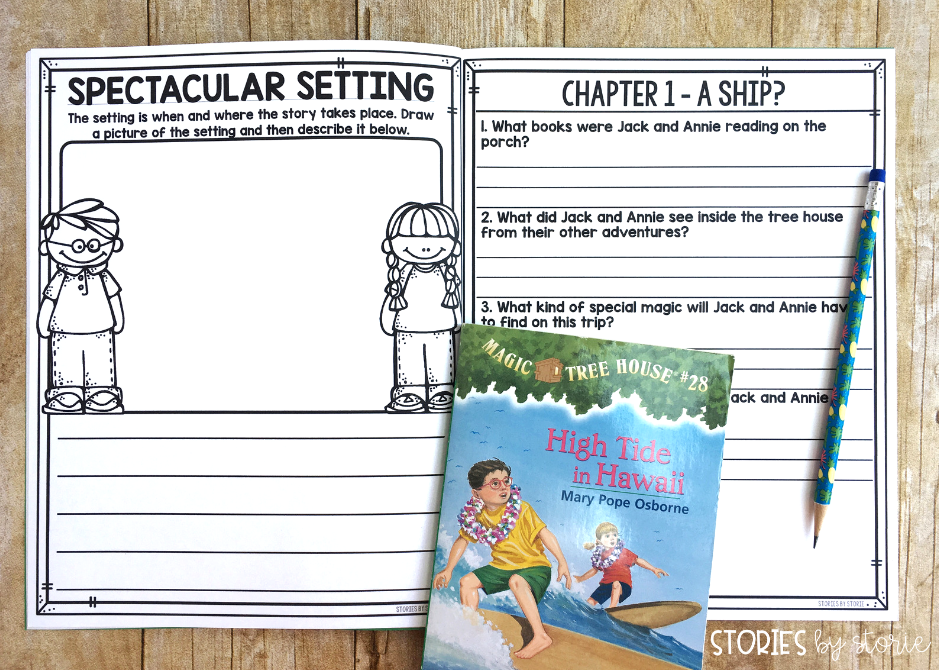
To save copies, there are other ways you can use my book companions:
- Project the questions onto a big screen and have students respond to the questions verbally or on notebook paper.
- Create student partnerships – students share one book companion and take turns writing the answers down.
- Print one copy for the teacher and use these to help guide your discussion during small group time. The other students can agree, disagree, or expand on one another’s answers.
- Cut the questions apart into strips. Fold these and place them in a bowl. Have students draw a slip of paper, answer, and then return that question to the bowl.
- Have students roll a die to see which question they will answer that round.
- There were also times when I chose only specific questions for my students to answer in writing (odds, evens, randomly selected, etc.)
The most important thing is that you use the materials your students need, and that you aren’t just filling their time with busy work.
MY BOOK COMPANIONS
Are you ready to read novels with your small groups? I can help save you time. I have already created a large number of book companions to use with popular novels. If you don’t see the category you are looking for, be sure to type the book title into the “Search store” button. You can also send a request my way through the Ask a Question tab in my store.
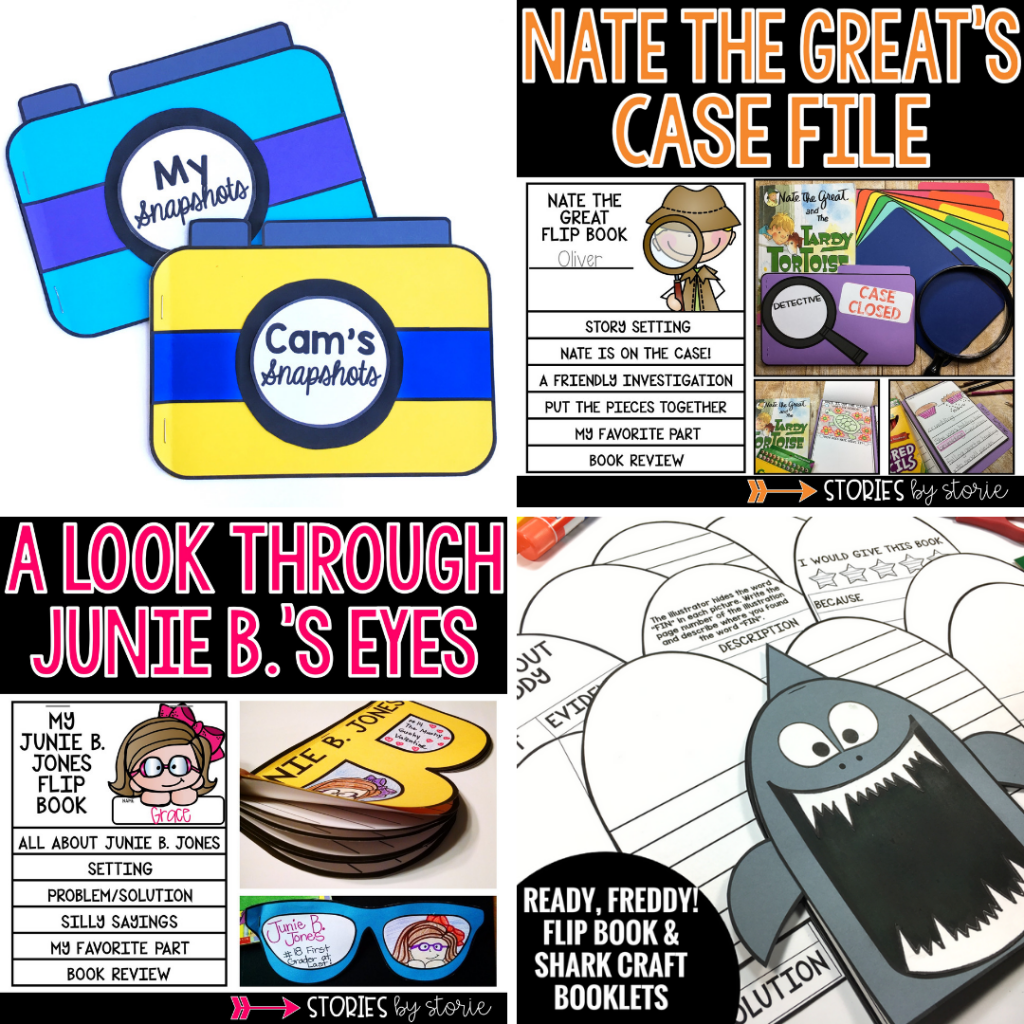
I have also created flip book and craft packs to pair with some popular chapter book series. These work well for students who are familiar with a book series and ready for something different. These flip books and craft packs do not have comprehension questions, but they do have graphic organizers and activities tailored to match each book. You can learn more about these activities here.
What other questions do you have about using novels with small groups in your primary classroom?
Happy Teaching!


2 Responses
I am the Assistant Principal of a small private school. We are looking into a reading program like yours. Do you have any webinars explaining this program?
Hi Laura,
Unfortunately, I don’t have any webinars to share since I didn’t use one particular reading program with my small reading groups. It was a blend of strategies and resources from various sources, including some that I created myself. Please let me know if you have any other questions.
Storie