




Stories by Storie

Everyone has a story to tell. What is yours?

  • Stories by Storie
  • Home
  • About
  • Blog
    • Book Activities
    • Book Lists
    • Classroom Management
    • Freebies
    • Math
    • Reading Tips
    • Writing
  • Free
  • Shop
    • Teachers Pay Teachers
    • Amazon
    • Bookshop
  • Subscribe
  • Contact

Graphing Activities

May 14, 2025

Are you getting ready to start your graphing unit? Let me help! I’m sharing my favorite graphing activities. This includes books, hands-on activities, and easy ways to get kids learning to read, interpret, and create a variety of graphs.
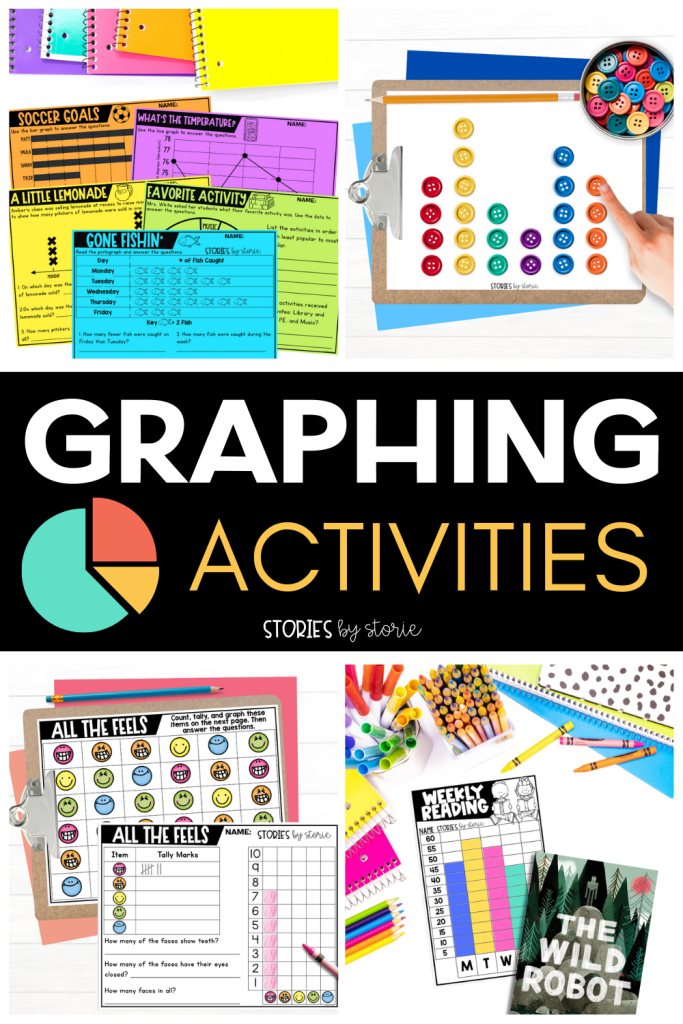
If you’re an elementary teacher or homeschool parent searching for effective graphing activities, you’ve come to the right place! Graphs are essential tools for organizing and interpreting data, even for students in the primary grades. This blog post offers a variety of engaging and easy-to-implement graphing activities that will help students collect, organize, and interpret data.

Graphing Activities

Teaching graphing helps lay the foundation for critical thinking and data analysis. By learning to create and interpret graphs, students develop the ability to organize information, recognize patterns, and draw conclusions based on evidence.

I’m sharing some of my favorite ideas and activities for you to try during your graphing unit!

Read About It

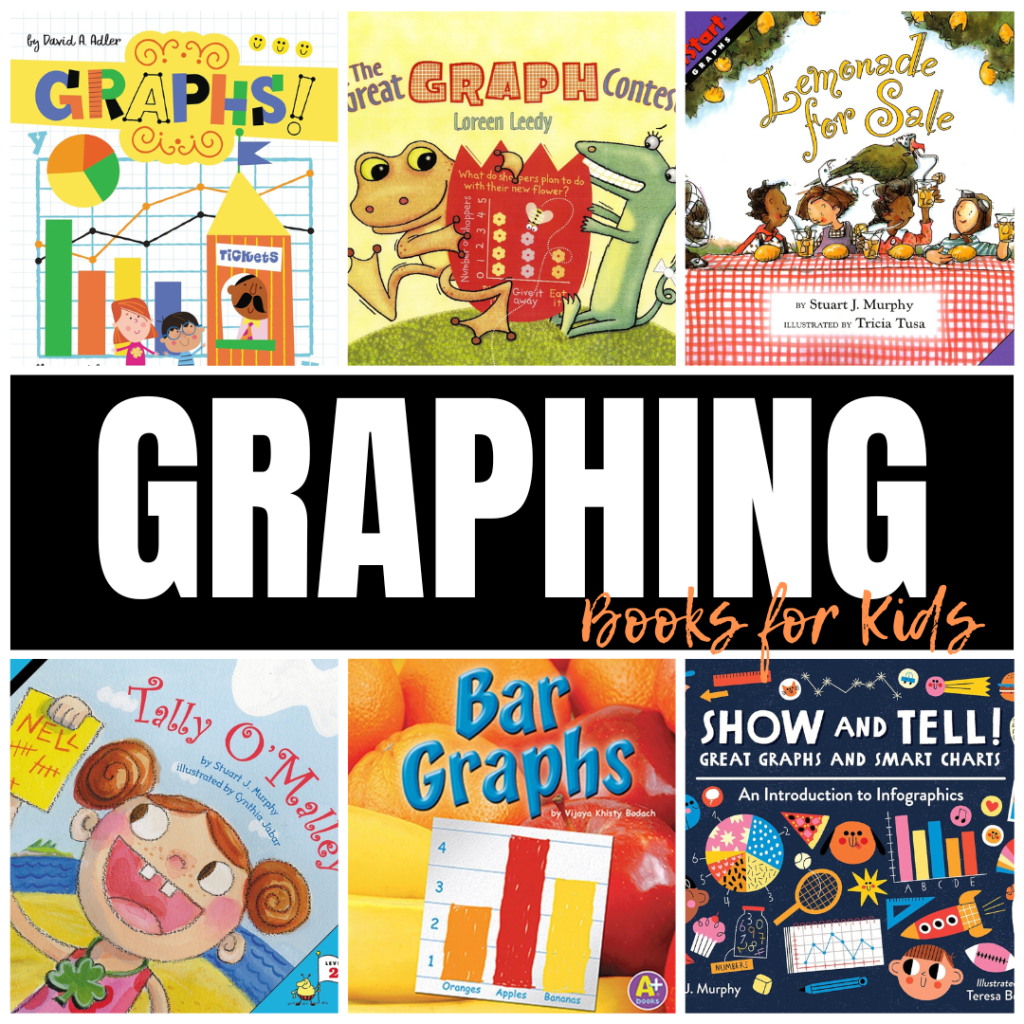
A great way to help build background knowledge on graphing is with books. These can be read before, during, or after your lessons. Here are some of my favorite books:

  • The Great Graph Contest by Loreen Leedy
  • Graphs! by David A. Adler
  • Show and Tell! Great Graphs and Smart Charts by Stuart J. Murphy
  • Lemonade for Sale by Stuart J. Murphy
  • Tally O’Malley by Stuart J. Murphy
  • The Best Vacation Ever by Stuart J. Murphy
  • Tally Cat Keeps Track by Trudy Harris
  • Graphing Story Problems by Lisa Colozza Cocca
  • Family Reunion by Bonnie Bader
  • Bar Graphs by Vijaya Bodach
  • Math It! Graph It! by Nadia Higgins
  • Tiger Math: Learning to Graph From a Baby Tiger by Ann Whitehead Nagda and Cindy Bickel
  • Lines, Bars, and Circles: How William Playfair Invented Graphs by Helaine Becker
  • How Do You Turn Data Into Drawings? by Clayton Tobias Grider
  • Yumbo Gumbo by Keila V. Dawson
A great way to help build background knowledge on graphing is with books. These can be read before, during, or after your lessons.

I found many of these books in my local library, but they are also available on Amazon. I suggest reading through the descriptions to determine which books would be most helpful for your graphing unit.

FAVORITE GRAPHING BOOKS
we are a participant in the amazon services llc associates program, an affiliate advertising program designed to provide a means for us to earn fees by linking to amazon.com and affiliated sites.

Build Vocabulary

Pre-teaching vocabulary can also be a helpful strategy before starting a new math unit. Not only does it build confidence and enhance understanding, but it’s an easy way to support differentiated instruction and make math more accessible to all learners.

Because graphing relies heavily on visuals, having different types of graphs on display is vital when jumping back and forth between different ways to display data.
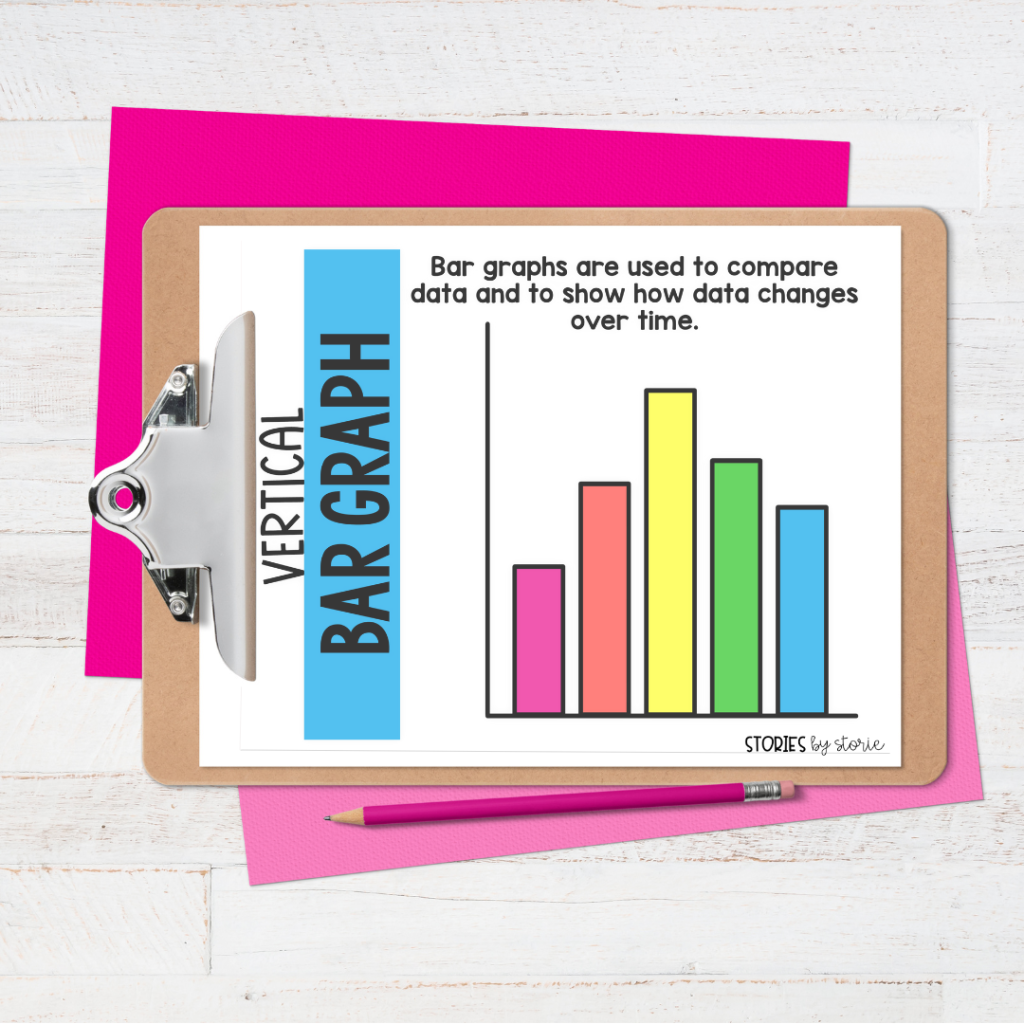
Pre-teaching vocabulary can also be a helpful strategy before starting a graphing unit. Not only does it build confidence and enhance understanding, but it's an easy way to support differentiated instruction and make math more accessible to all learners.

Use Sticky Notes

This is one of my favorite tools to use during graphing because of their versatility. After students put their name on a sticky note, they can place the note directly onto a class-made graph on the whiteboard. This works really well for bar graphs and line plots because it provides a clear, visual representation of the data. Using sticky notes in this way encourages collaboration, captures student attention, and increases engagement.

Because sticky notes can be easily moved, it’s one of my favorite ways to show students how to find the median for a given set of data. Plus, it’s an easy way to correct mistakes or manipulate the data to show different results.

Hands-On Practice

Once you have introduced the vocabulary and have worked together to make graphs, it’s time to let students practice on their own. Here are a few of my favorite activities for hands-on practice.

Scoop, Sort, and Graph

Place a variety of baggies or containers with objects at a Scoop, Sort, and Graph station. After choosing a set of items, students will scoop out a handful and place the objects onto a blank piece of paper. From there, students will sort the items and create a graph on the paper.
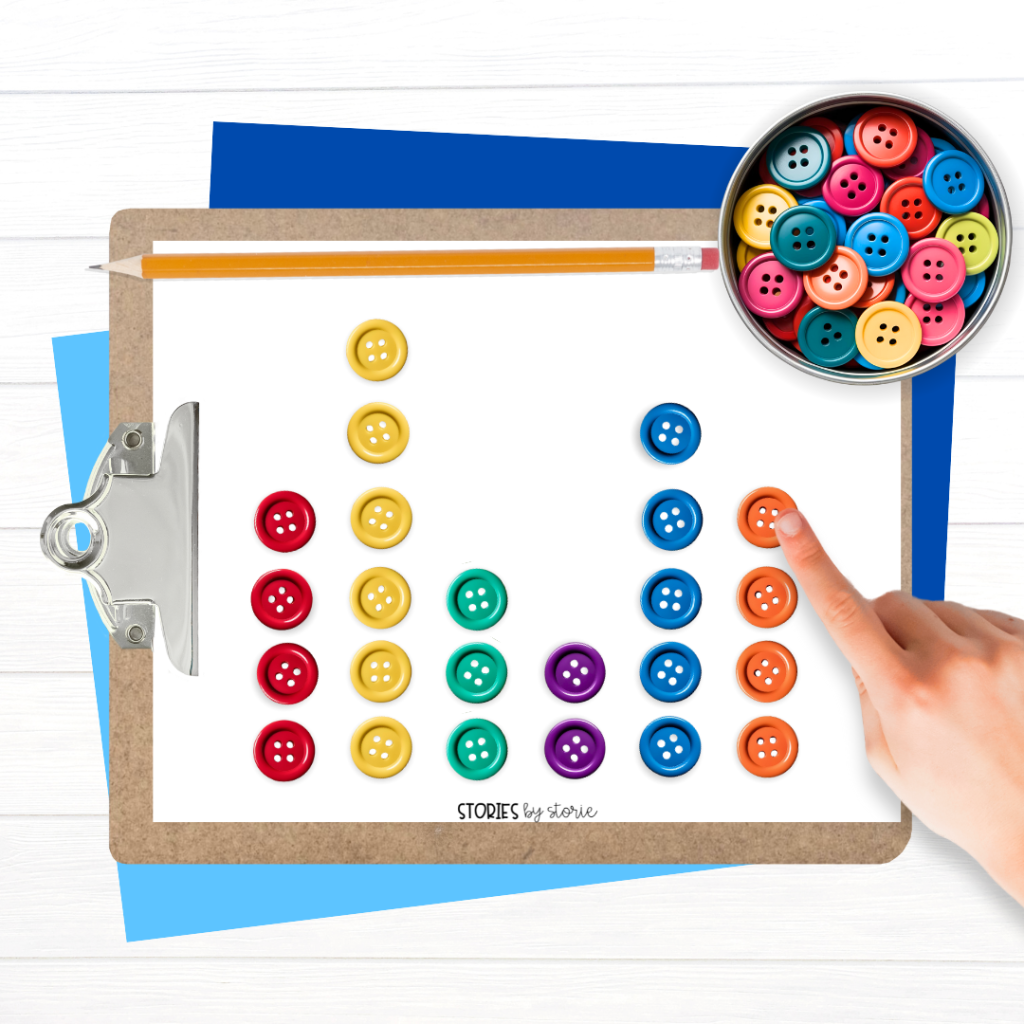
Place a variety of baggies or containers with objects at a Scoop, Sort, and Graph station. After choosing a set of items, students will scoop out a handful and place the objects onto a blank piece of paper. From there, students will sort the items and create a graph on the paper.

Here are some items you can use:

  • mini erasers
  • coins
  • Unifix cubes
  • buttons
  • paper clips
  • Lego or building blocks
  • beads
  • pom-poms

If you need a way to informally assess their work, have students take a photo of their completed graph using a school-issued Chromebook, iPad, etc.

You can also give students a premade set of data. They can count, tally, and graph the information before answering a few questions about the data.
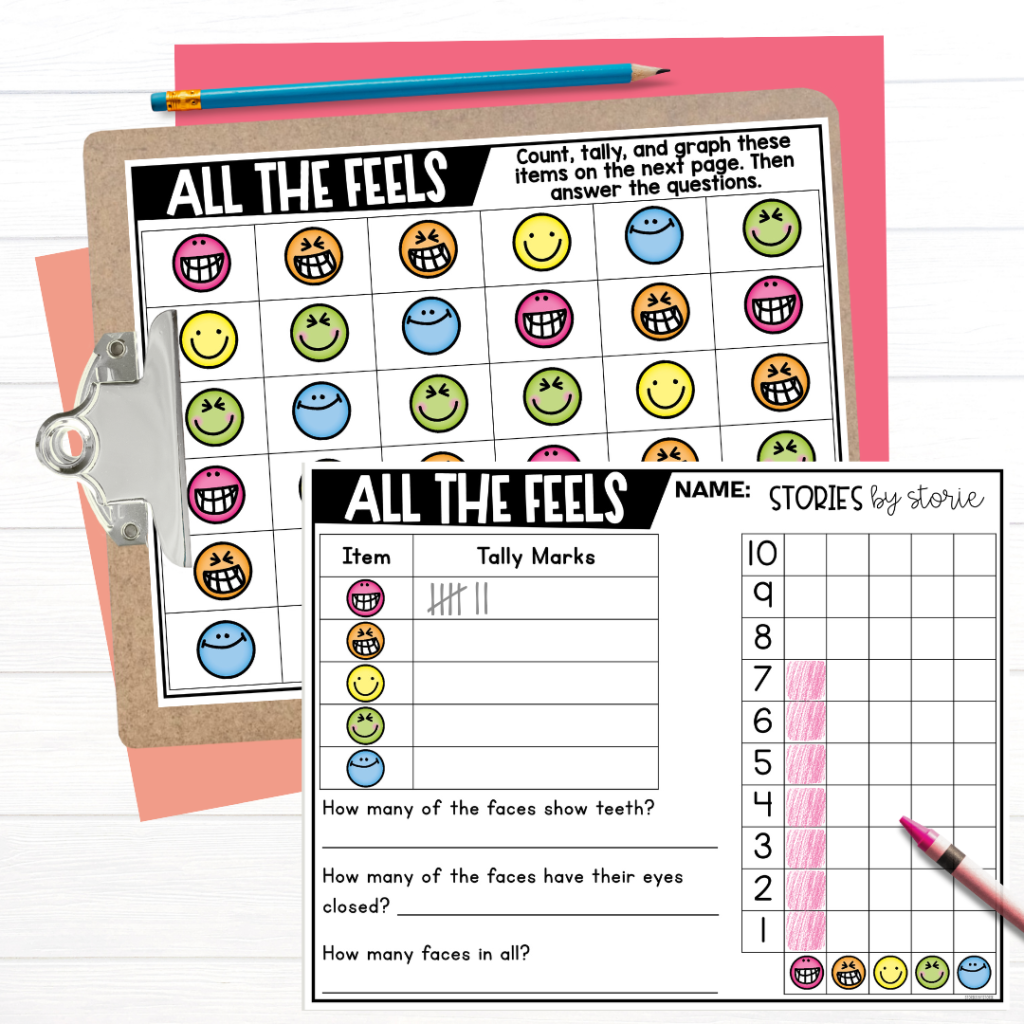
Want to give your students more hands-on graphing practice. Try a count, tally, and graph activity. These pages also include questions for students to analyze and interpret the data provided.

Fun with Food

Integrating food into your math lesson is one way to boost engagement, increase motivation, and provide a multi-sensory approach to learning. There are so many foods out there that lend themselves to graphing because they can be sorted by their colors and shapes. Here are some of my favorite foods that work well for graphing practice and are easy to find (or have donated by families):

  • jelly beans
  • Lucky Charms marshmallows
  • Skittles
  • candy hearts
  • Fruit Loops
  • M&Ms

After the graphing is complete, students can eat the food they touched. Note: be sure to check for food allergies before trying this activity.

Spin, Tally, and Graph

Another way to add instant engagement is to use spinners. Students spin, tally, and graph the results until one category reaches the top of the graph. To save on copies, place the page in a dry erase pocket or sheet protector and students can use the page over and over again with different results.
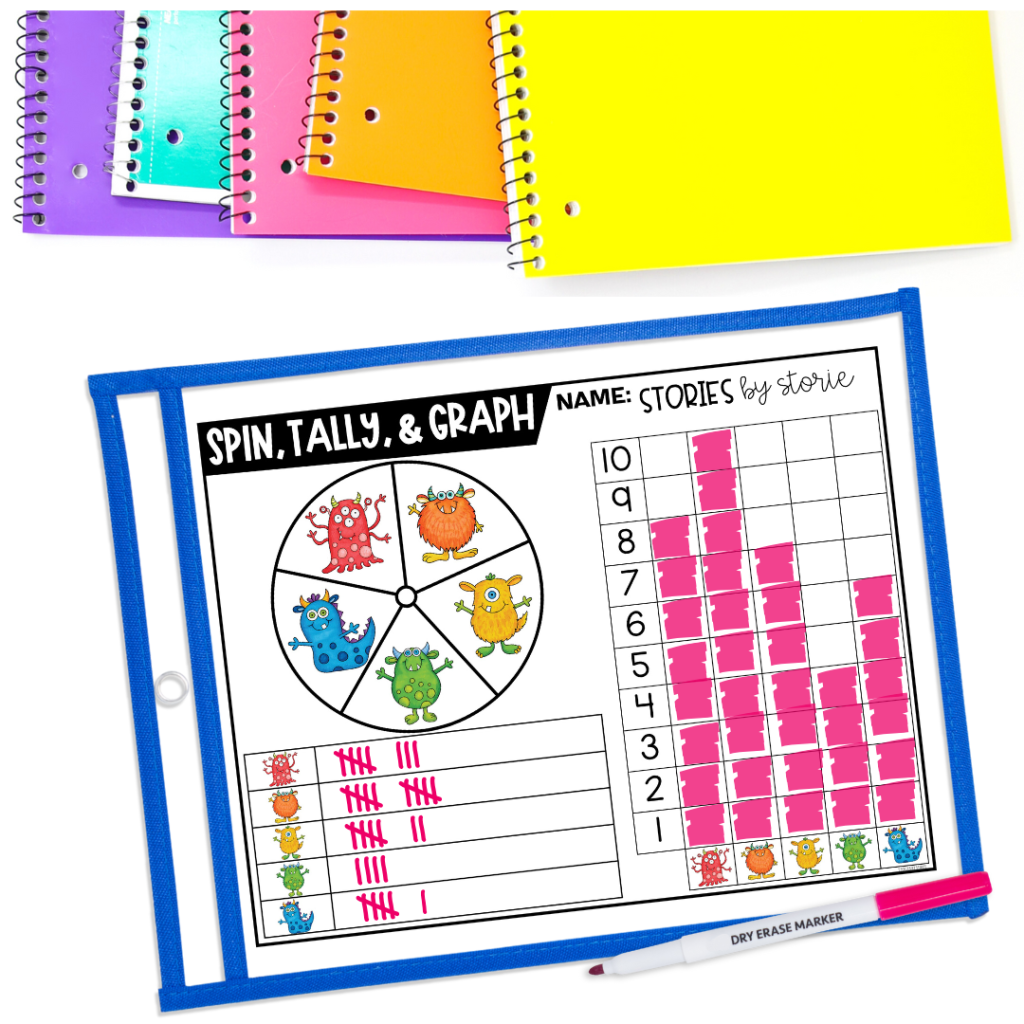
Another way to add instant engagement to your graphing unit is to use spinners. Students spin, tally, and graph the results until one category reaches the top of the graph. To save on copies, place the page in a dry erase pocket or sheet protector and students can use the page over and over again with different results.

Build Critical Thinking

Getting students to ask and answer questions about a graph is an important part of critical thinking. The right set of questions encourages students to read and interpret data more effectively to gain a deeper understanding which allows them to analyze data and draw conclusions.

So what types of questions should we be asking or encouraging students to ask? Here are a few to get you started:

  • What does this graph show?
  • What type of graph is this?
  • What information does the x-axis/y-axis provide?
  • How many votes in all?
  • Which ___ had the most/least votes?
  • How many more/fewer votes did ____ get than ____?
  • How many more votes would ____ need to have more votes than ____?
  • How many people voted for ____ and ____?
  • What is the difference between the highest and lowest value on this graph?
  • Are there any categories with the same number of votes?
  • How does this graph compare to another graph we’ve studied?
  • How could this data be used in real life?
  • Who might collect this data and what would they do with the information?
  • How could the data change if we added more categories? Which categories would you add?
  • Do you think this graph accurately represents the data and why?

Get Physical

I think we can all agree that kids need opportunities throughout their day to move. Movement allows kids to release excess energy, which helps improve their focus and concentration. Here are some graphing ideas that encourage movement:

  • One Minute Timer – set a timer and see how many times students can complete an activity (stand up/sit down, jumping jacks, hop on one foot, clap hands, etc.) and then graph the results
  • Nature Walk – take students outside where they can identify trees, collect leaves, count outside doors/windows, etc. and graph the results
  • Game Time – students can shoot hoops 10 times, kick a soccer ball into a goal 10 times, toss 10 bean bags into a hula hoop, etc. and then graph their results
  • Human Graph – place a piece of tape along the floor as the x-axis. Use sticky notes to mark the numbers or categories below the line. Students will answer the question being asked by moving their body into position and create a human graph. After, you can have students graph the results on paper.

Incorporate Graphing into Your Daily Routine

You don’t have to wait for the graphing lessons in your curriculum to get started. In fact, there are several ways you can incorporate graphing into your daily routine all year long.
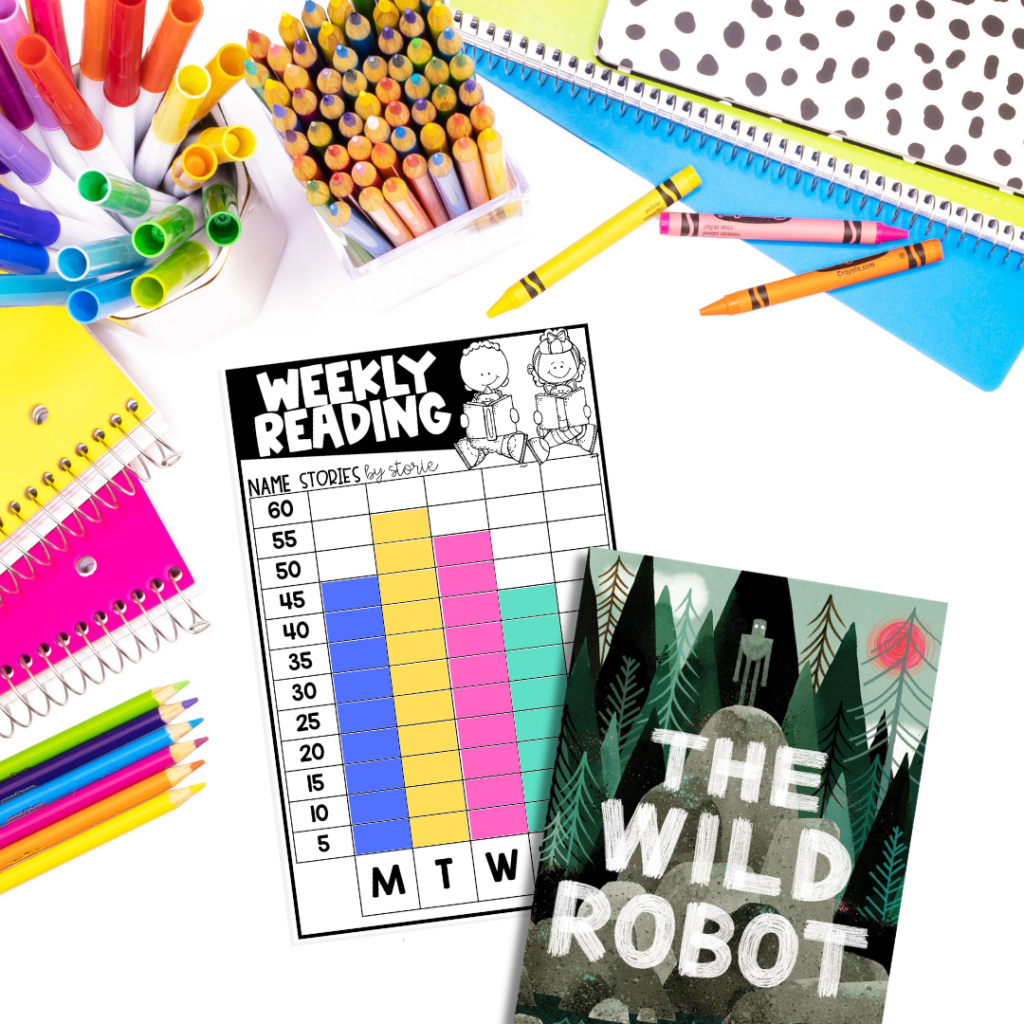
You don't have to wait for the graphing lessons in your curriculum to get started. In fact, there are several ways you can incorporate graphing into your daily routine all year long.

Here are some graphs you might try:

  • weather
  • lunch count & attendance
  • transportation to and from school
  • books or minutes read each day
  • math facts mastered
  • days in school
  • birthdays

Additionally, start making a habit of pointing out graphs you see during the day. These might show up in your textbook, in the hallways around the school, in a video you watch, in the local newspaper, on nutrition labels, etc. Encourage students to look for graphs in their homes and bring them in to share with the class.

Ways to Assess Learning

After you finish your graphing unit, it’s important to assess students. You can give a more traditional, paper and pencil quiz or test. These often ask students to either read and interpret information from a graph OR to create a graph from a set of provided data.
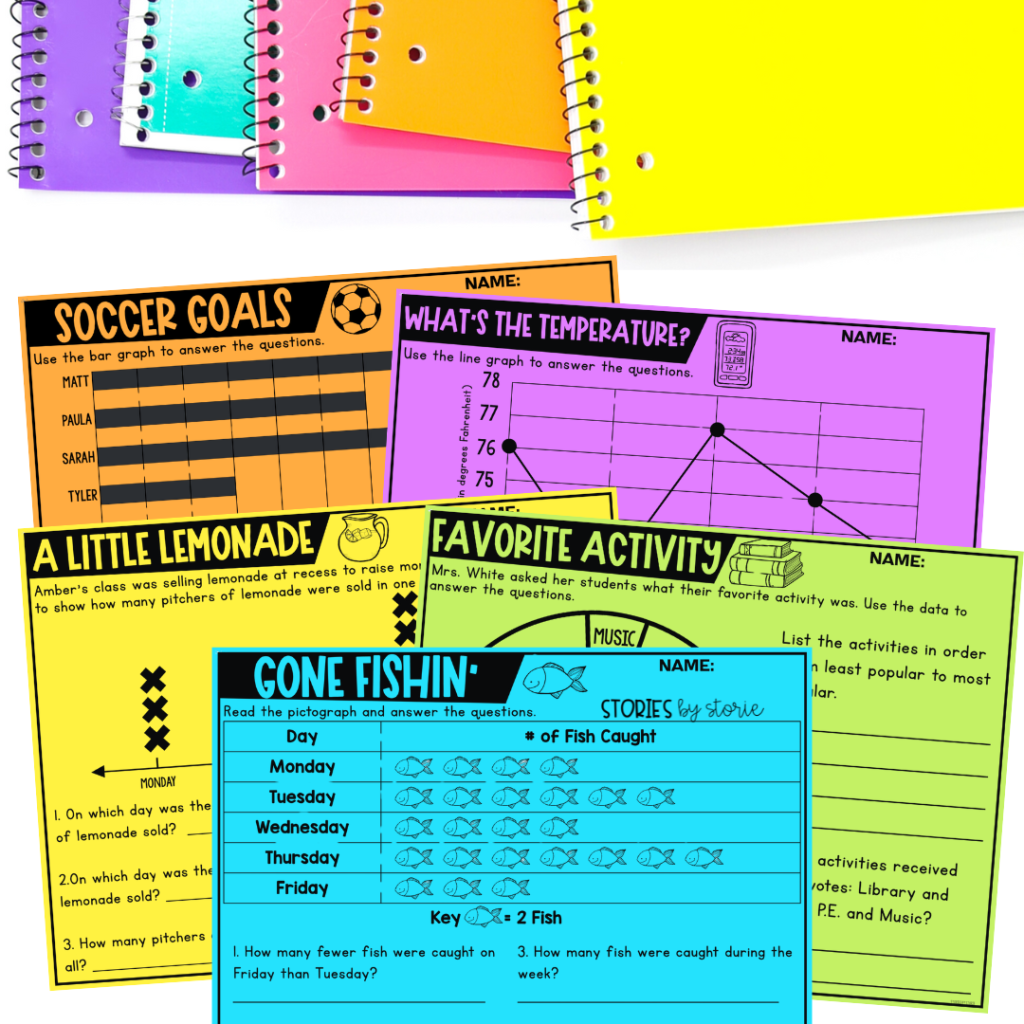
After you finish your graphing unit, it's important to assess students. You can give a more traditional, paper and pencil quiz or test. These practice pages ask students to either read and interpret information from a graph OR to create a graph from a set of provided data.

Another idea is to have students conduct their own survey of the class and select an appropriate graph for displaying the data. Once all students have finished, create a Graphing Gallery so everyone can see their hard work.
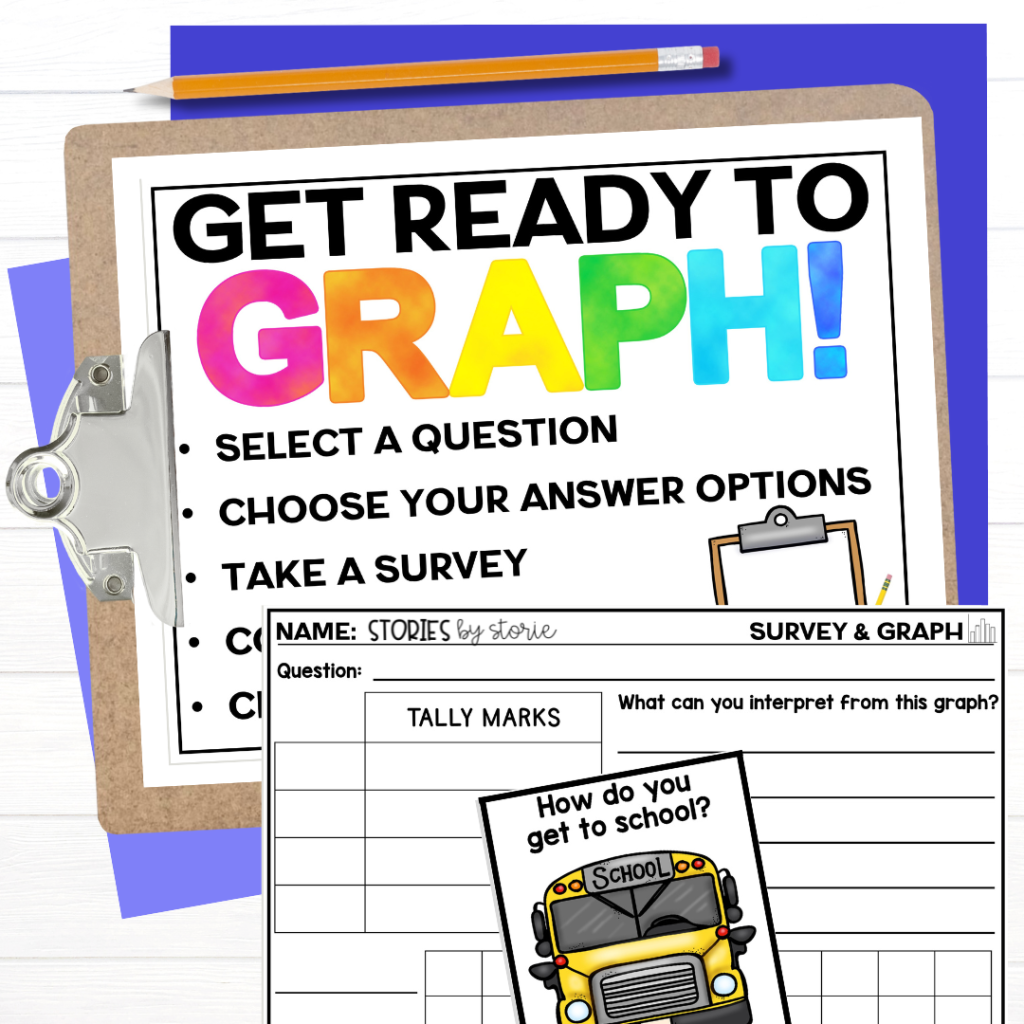
To assess students during your graphing unit, have them conduct their own survey of the class and select an appropriate graph for displaying the data. Once all students have finished, create a Graphing Gallery so everyone can see their hard work.

If you’re looking for a collaborative project, place students into groups. Provide each group with a survey question or a pre-made set of data. The students work together to collect and/or analyze the data, select a graph, and work together to display the data. Students can present their project to the class.


Many of the activities mentioned above can be found in this Graphing and Data Collection pack. There are printable and digital options included.
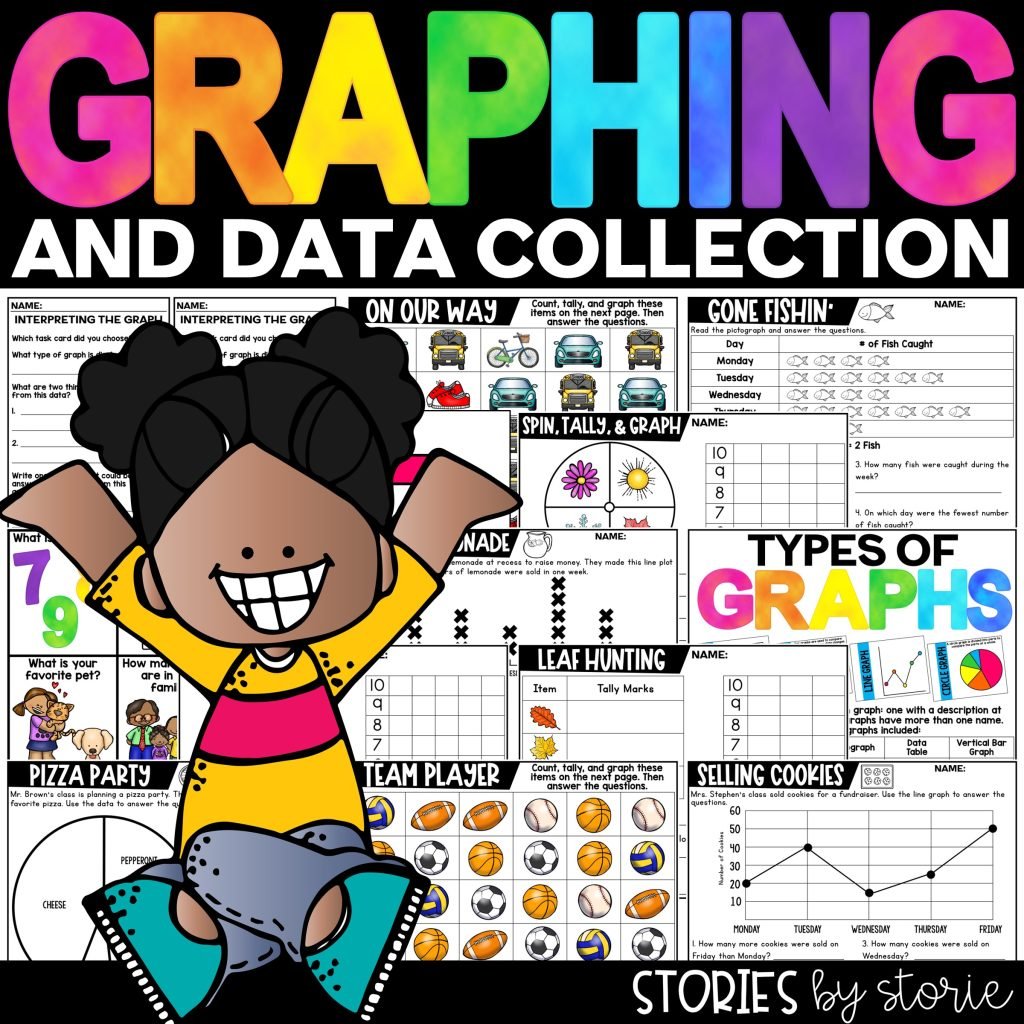
If you're an elementary teacher or homeschool parent searching for engaging and effective graphing practice ideas, try this resource. It includes vocabulary posters, graphing practice pages, and a variety of ways to collect, analyze, and draw conclusions about graphs.

What are your favorite ways to practice graphing?

 You might also like:

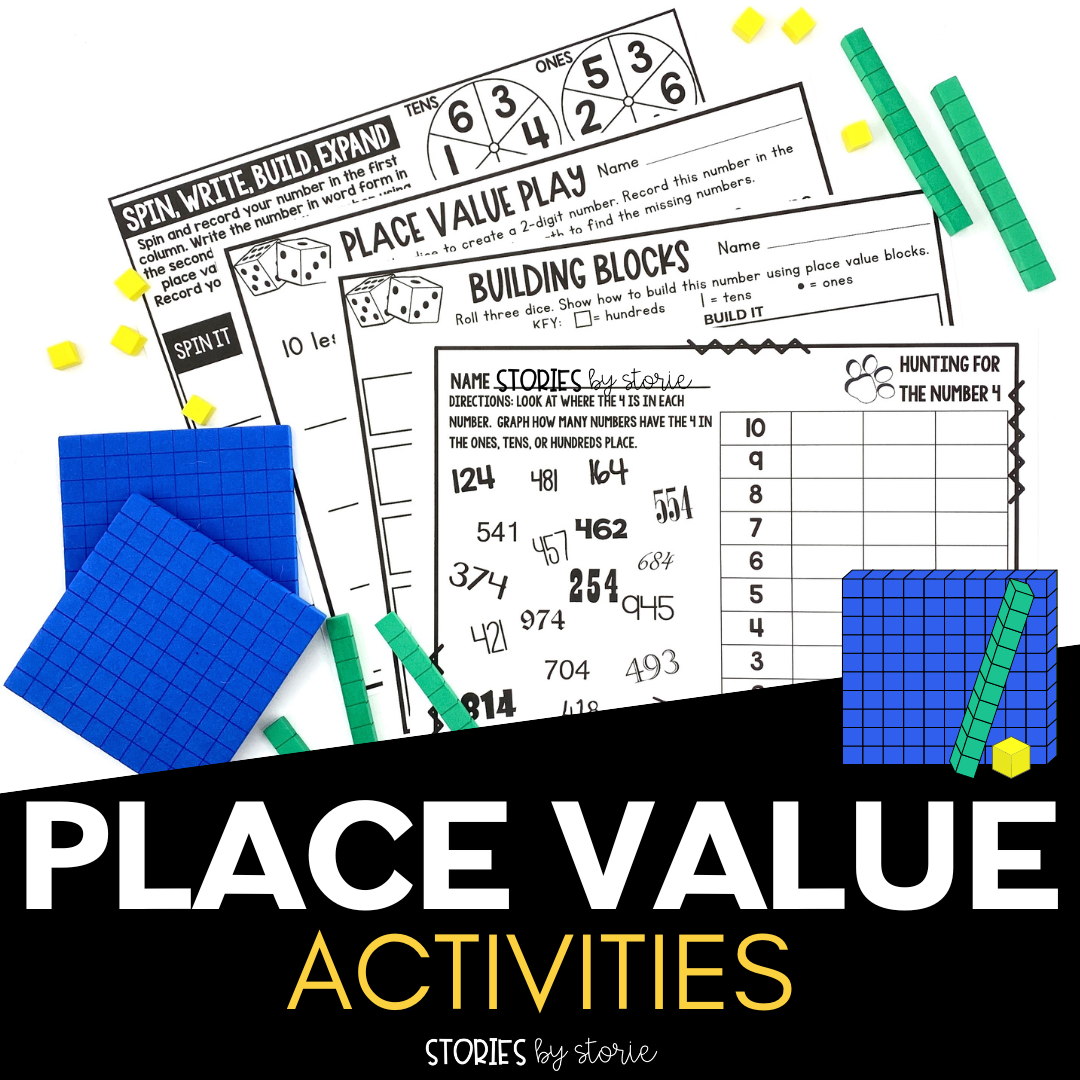
  • Place Value Activities
  • Fun Ways to Practice Addition and Subtraction
  • Fun Ways to Practice Multiplication
  • Fact Family Games and Activities
  • Telling Time Games and Activities
  • Counting Coins Games and Activities

Happy Teaching!
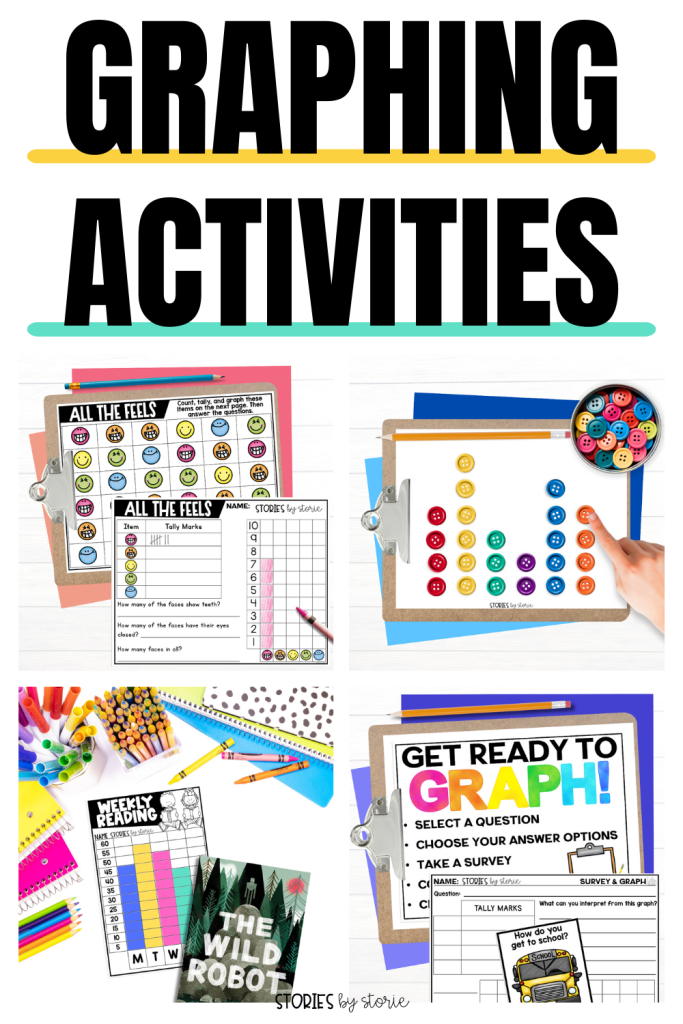
 

Are you getting ready to start your graphing unit? Let me help! I’m sharing my favorite books, hands-on activities, and easy ways to get kids learning to read, interpret, and create a variety of graphs.
signature

Related posts:

Scholastic Book Order Activities Place value is an important concept that helps kids understand numbers and how they work. Here are a variety of fun and interactive place value games and activities to help students learn and better understand place value.Place Value Games and Activities Geometry is all around us in our everyday lives. Whether you are teaching children to identify 2-D and 3-D shapes, explore area and perimeter, or to identify symmetry, picture books can help! Here are some great children’s books about geometry.Children’s Books about Geometry It is so important for kids to have a strong understanding of place value because it is tied to so many math skills. One of the ways you can help children understand place value is through picture books. Here are some great children's books about place value.Children’s Books About Place Value Fun Ways to Practice Doubles
«
»

Filed Under: math Leave a Comment

Leave a Reply Cancel reply

Your email address will not be published. Required fields are marked *

Search

Categories

Latest on Instagram

If you could build the perfect town, what would it If you could build the perfect town, what would it look like?

🌳 Would it include spectacular trees with walkways that rise high above the ground?

🦒 Would you add an open-air zoo with well-behaved animals, including Jurassic and mythical creatures? 

🤖 Would there be robots running the grocery store where all items are free? 

📚 Would your library be filled with cozy nooks and stacks of books, where no one tells you what you can and can’t read?

Those are just some of the ideas Jack shares with Mayor McKay in Chris Van Dusen’s latest book, If I Built a Town.

I love that all of these books encourage kids to explore their imagination without limitations. They would be a great addition to your home or classroom library!

If I Built Series
✏️ 🎨 @chrisvandusenbooks
📚 @penguinkids

🔗 Ready to check out more books that inspire creativity?
Blog Post: https://storiesbystorie.com/childrens-books-that-inspire-creativity/

Amazon: http://amzn.to/3WNphAd
(affiliate link)

.
.
.
.
.
.
#classroombookaday #childrensbooks #kidlit #iteach #iteachtoo #teachersfollowteachers #picturebooks #iteach2nd #picturebooksaremyjam #elementaryteacher #kidsbooksofinstagram
If you love Strictly No Elephants as much as I do, If you love Strictly No Elephants as much as I do, you’ll want to read The Trouble with Giraffes. 

In this follow-up story, a young girl is on her way to Pet Club with her giraffe. When they get there, her giraffe is too tall to fit inside. I guess it’s a good thing there’s some delicious salad right outside the clubhouse window!

After the girl gets hurt, her friends are ready with a welcome back party at the clubhouse. When she realizes just how high off the ground it is, she starts questioning how welcoming the Pet Club actually is - especially if some can’t get inside. 

Can she find a way to make sure All Are Welcome, just like the sign on the door says?

This sweet story reminds us that friendship often requires a lot of compromise. But when one friend can’t quite reach the middle, a true friend will meet you more than halfway. It combines a story of friendship with an important message about inclusion and accessibility.

Have you read 🦒 The Trouble with Giraffes or 🐘 Strictly No Elephants yet?

Thank you @simonkids for sharing this book with my family! I can’t wait to see if more books are added to The Pet Club series by @lisamantchev and @yooillustration ! 


.
.
.
.
.
.
#picturebooksofinstagram #kidlit #picturebooklove #childrensbookstagram #classroombookaday #picturebookaday  #teachersofinstagram #teachersfollowteachers #iteach #iteachtoo #librarylove #kidsbookstagram #picturebooksaremyjam #kidlitpicks #iteachtoo #SimonKidsCrew
Jasper Rabbit is back!! We’ve seen him tackle C Jasper Rabbit is back!!

We’ve seen him tackle Creepy Carrots, a Creepy Crayon, and a Creepy Pair of Underwear. This time he has a different tale to share…one filled with chills AND chuckles.

In this story we meet Charlie Marmot. Unfortunately, his tonsils are infected and need to come out. He’s nervous about the operation, but excited about the extra ice cream. Then he has the brilliant idea to keep his tonsils so he can take them to school for show-and-tell! On the big day, Charlie opens wide. However, when the doctor looks inside, the tonsils are already gone! 

This longer chapter book combines the writing style we’ve come to know and love with a plot that will make you feel like you’ve entered The Twilight Zone. With a touch of eerie excitement, get ready for an adventure filled with laughter and an unexpected twist! Perfect for readers of the original series who are ready for a few more thrills and chills!

📚 Do you have a favorite Creepy Tale?

Thank you @simonkids for sharing this book with my family!


.
.
.
.
.
.
#picturebooksofinstagram #kidlit #picturebooklove #childrensbookstagram #classroombookaday #picturebookaday  #teachersofinstagram #teachersfollowteachers #iteach #iteachtoo #librarylove #kidsbookstagram #picturebooksaremyjam #kidlitpicks #iteachtoo #SimonKidsCrew
A heartfelt thank you to Peter Brown for captivati A heartfelt thank you to Peter Brown for captivating readers of all ages with The Wild Robot series! Your ability to bring Roz’s adventures to life in both chapter book and picture book form is nothing short of magical. 

The Wild Robot introduces us to Roz, and readers get to tag along as she finds herself on a strange, new island. Along the way she learns that the only way to survive is to adapt to her surroundings and learn from the other animals who live there. 

The Wild Robot on the Island might simplify Roz’s story, but the detailed, colorful illustrations draw young readers in. 

Combined, these stories are perfect for readers of all ages and attention spans. They remind us that adventure, friendship, and self-discovery can be beautifully explored in any format. 

Do you have a favorite book in The Wild Robot series?
 
#TheWildRobot
The magic is back! ⭐️ The Marvelous Now take The magic is back! ⭐️ 

The Marvelous Now takes readers on a journey to be mindful and present in the moment. Through colorful illustrations and rhyming text, kids will recognize and relate to feeling overwhelmed, worried, or rushed and learn ways to relax, unwind, and calm their minds. 

This book is the third in The Magical Yet series. Swipe through to take a peek inside! Thank you @angeladiterlizzi for sharing a personalized copy of your newest book with my family!

⭐️ Have you read this book yet?

🔗 Ready to check out more books about mindfulness?
Blog Post: https://storiesbystorie.com/childrens-books-about-mindfulness/

Amazon: http://amzn.to/3Vh3O1N
(affiliate link)

.
.
.
.
.
.
#classroombookaday #childrensbooks #kidlit #iteach #iteachtoo #teachersfollowteachers #picturebooks #iteach2nd #picturebooksaremyjam #elementaryteacher #kidsbooksofinstagram #TheMarvelousNow #TheMagicalYet
💛 LIBRARY STACK 💛 Thought I’d take a mome 💛 LIBRARY STACK 💛

Thought I’d take a moment to share what we have checked out from the library right now. I’m a bit behind schedule when it comes to reading and reviewing. I figured if I organized them a bit, I would be more motivated to dive into the stack. It will totally work, right?!?! 🤪

Which titles catch your eye first?
Choose your own adventure books have captivated re Choose your own adventure books have captivated readers for decades. They offer a unique blend of storytelling and interactive elements that engage and invite readers to become part of the narrative. 

Why should you reach for a choose your own adventure book? There are so many benefits! These books encourage active participation, increase reading motivation, foster imagination, teach cause and effect, boost critical thinking, extend the plot through different endings, and cultivate a love of reading.

Whether you’re in the classroom or selecting books for your own children at home, I’ve compiled a list of choose your own adventure books to try!

🔗 Ready to check out the full list?
Blog Post: https://storiesbystorie.com/choose-your-own-adventure-books-for-kids/

Amazon: http://amzn.to/3ICytUl
(affiliate link)

➡️ When was the last time you read a choose your own adventure book?

.
.
.
.
.
.
#classroombookaday #childrensbooks #kidlit #iteach #iteachtoo #teachersfollowteachers #picturebooks #iteach2nd #picturebooksaremyjam #elementaryteacher #kidsbooksofinstagram

Copyright © 2025 · Website Design By Jumping Jax Designs